
Author: curiouscat

  • The Rise of Esports: How Competitive Gaming is Changing the Sports Landscape

    The Rise of Esports: How Competitive Gaming is Changing the Sports Landscape

    Esports, or competitive gaming, has experienced a meteoric rise in popularity over the past decade, transforming the sports landscape and attracting millions of fans worldwide. Here’s a look at how esports is changing the world of sports.

    Growth of Esports

    Esports has grown from niche communities to a global phenomenon, with major tournaments offering multi-million dollar prize pools and attracting top-tier talent. Games like League of Legends, Dota 2, and Fortnite have become household names in the esports world.

    Professionalization of Esports

    The professionalization of esports has led to the establishment of structured leagues, teams, and player contracts. Organizations invest in training facilities, coaching staff, and player development, similar to traditional sports teams.

    Audience Engagement

    Esports has cultivated a dedicated fan base through live streaming platforms like Twitch and YouTube Gaming. Fans can watch their favorite players and teams compete in real-time, fostering a sense of community and engagement.

    Sponsorship and Investment

    The influx of sponsorships and investments from major brands has legitimized esports as a viable industry. Companies recognize the marketing potential of reaching younger demographics through esports partnerships.

    Integration with Traditional Sports

    Traditional sports organizations are increasingly embracing esports, with some establishing their own esports teams or hosting esports events. This integration highlights the growing acceptance of esports within the broader sports ecosystem.

    Challenges and Opportunities

    While esports faces challenges such as regulatory issues and player burnout, it also presents opportunities for innovation in gaming technology, fan engagement, and cross-industry collaborations.

    Conclusion

    The rise of esports is reshaping the sports landscape, offering new avenues for competition, entertainment, and community building. As esports continues to evolve, it will undoubtedly play an increasingly significant role in the future of sports.

    Meta Description: Discover how esports is changing the sports landscape through growth, professionalization, audience engagement, and integration with traditional sports.

    Keywords: rise of esports, competitive gaming, esports industry, esports growth, traditional sports integration
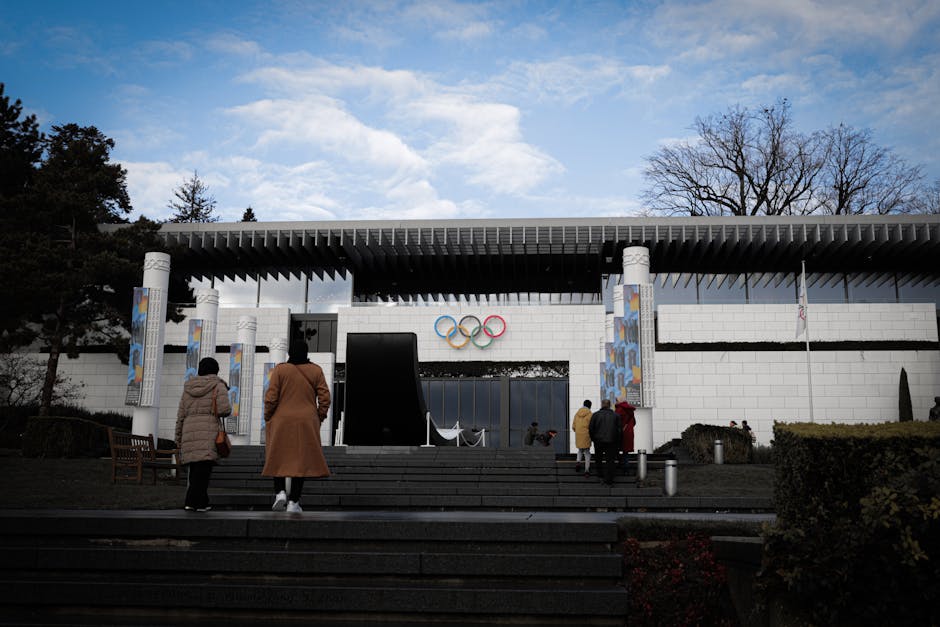

  • Exploring the History and Evolution of the Olympic Games

    Exploring the History and Evolution of the Olympic Games

    The Olympic Games have a rich history that spans over two millennia, evolving from ancient athletic competitions to a global sporting event that celebrates unity and excellence. Here’s an exploration of the history and evolution of the Olympic Games.

    Ancient Olympics

    The ancient Olympic Games originated in Olympia, Greece, in 776 BC. They were held every four years in honor of Zeus and featured various athletic events, including running, wrestling, and chariot racing. The games were a significant cultural event, attracting athletes and spectators from across the Greek world.

    Decline and Revival

    The ancient Olympics declined in the 4th century AD due to political and religious changes. The modern Olympic Games were revived in 1896 by Pierre de Coubertin, who sought to promote international peace and understanding through sports.

    Growth of the Modern Olympics

    The first modern Olympics featured 14 nations and 241 athletes competing in 43 events. Over the years, the games expanded significantly, with more countries participating and a wider range of sports being included.

    Inclusion and Diversity

    The Olympic Games have progressively embraced diversity and inclusion. Women were first allowed to compete in 1900, and the Paralympic Games were established in 1960 to provide opportunities for athletes with disabilities.

    Technological Advancements

    Advancements in technology have transformed the Olympic experience, from improved training methods to enhanced broadcasting capabilities that allow millions of viewers worldwide to watch the games live.

    Challenges and Controversies

    The Olympics have faced various challenges, including political boycotts, doping scandals, and concerns about the environmental impact of hosting the games. Despite these issues, the Olympics continue to be a symbol of global unity and sportsmanship.

    Future of the Olympics

    The future of the Olympic Games looks promising, with ongoing efforts to promote sustainability, inclusivity, and innovation. The International Olympic Committee continues to explore new ways to enhance the games and engage audiences worldwide.

    Conclusion

    The history and evolution of the Olympic Games reflect their enduring significance as a celebration of athletic excellence and international cooperation. From ancient Greece to the modern era, the Olympics continue to inspire athletes and fans around the world.

    Meta Description: Explore the history and evolution of the Olympic Games, from ancient origins to modern developments, including inclusion, technology, and future prospects.

    Keywords: history of the Olympic Games, evolution of Olympics, modern Olympics, Olympic inclusion, future of the Olympics

  • The Psychology of Winning: Mental Strategies of Top Athletes

    The Psychology of Winning: Mental Strategies of Top Athletes

    Winning in sports is not just about physical prowess; mental strength plays a crucial role in an athlete’s success. Here are some key psychological strategies employed by top athletes to achieve peak performance and secure victories.

    Goal Setting

    Top athletes set clear, achievable goals that provide direction and motivation. They break down long-term objectives into smaller, manageable milestones to track progress and maintain focus.

    Visualization

    Visualization techniques involve mentally rehearsing successful performances. Athletes imagine themselves executing skills flawlessly, which enhances confidence and prepares them for competition.

    Positive Self-Talk

    Maintaining a positive internal dialogue helps athletes build self-confidence and resilience. Affirmations and constructive feedback can counteract negative thoughts and boost performance.

    Focus and Concentration

    Elite athletes develop the ability to maintain focus amidst distractions. Techniques such as mindfulness and breathing exercises help them stay present and perform under pressure.

    Emotional Regulation

    Managing emotions is vital for optimal performance. Top athletes learn to control anxiety, frustration, and excitement to maintain composure during high-stakes situations.

    Routine and Preparation

    Establishing pre-competition routines provides a sense of control and familiarity. Consistent preparation rituals help athletes enter a focused state of mind before competing.

    Resilience and Adaptability

    Successful athletes demonstrate resilience by bouncing back from setbacks and adapting to changing circumstances. They view challenges as opportunities for growth rather than obstacles.

    Conclusion

    The psychology of winning encompasses various mental strategies that top athletes utilize to enhance their performance. By mastering goal setting, visualization, emotional regulation, and other techniques, athletes can achieve success both on and off the field.

    Meta Description: Discover the psychology of winning through mental strategies used by top athletes, including goal setting, visualization, focus, and emotional regulation.

    Keywords: psychology of winning, mental strategies in sports, athlete mindset, sports psychology techniques, winning mentality

  • The Impact of Technology on Modern Sports Training

    The Impact of Technology on Modern Sports Training

    Technology has revolutionized modern sports training, providing athletes and coaches with innovative tools to enhance performance, prevent injuries, and optimize training regimens. Here’s a look at the impact of technology on sports training.

    Wearable Technology

    Wearable devices, such as fitness trackers and smartwatches, allow athletes to monitor vital statistics like heart rate, sleep patterns, and activity levels. This data helps tailor training programs to individual needs.

    Video Analysis

    High-speed cameras and video analysis software enable coaches to break down athletes’ movements in detail. This technology aids in identifying areas for improvement and refining techniques.

    Virtual Reality (VR)

    VR technology offers immersive training experiences, allowing athletes to simulate game scenarios and practice decision-making skills in a controlled environment.

    Biomechanics and Motion Capture

    Advanced biomechanics and motion capture systems provide insights into an athlete’s movement patterns. This information helps optimize performance and reduce the risk of injury through technique adjustments.

    Data Analytics

    Data analytics platforms analyze vast amounts of performance data to identify trends and inform training strategies. Coaches can make data-driven decisions to enhance athlete development.

    Recovery Technologies

    Innovations such as cryotherapy, compression therapy, and electrical muscle stimulation aid in recovery processes, helping athletes return to training faster and reduce fatigue.

    Nutrition Tracking Apps

    Nutrition tracking apps assist athletes in managing their dietary intake, ensuring they meet their nutritional needs for optimal performance and recovery.

    Conclusion

    The integration of technology into modern sports training has transformed how athletes prepare for competition. By leveraging these advancements, athletes can achieve higher levels of performance while minimizing the risk of injury.

    Meta Description: Explore the impact of technology on modern sports training, including wearable tech, video analysis, VR, biomechanics, and recovery innovations.

    Keywords: technology in sports training, wearable technology, sports video analysis, biomechanics in sports, athlete recovery technology

  • The Science Behind Peak Athletic Performance

    The Science Behind Peak Athletic Performance

    Achieving peak athletic performance involves a combination of physical training, nutrition, mental preparation, and recovery strategies. Here’s a look at the science behind what it takes to perform at the highest level in sports.

    Physical Training

    Athletes engage in sport-specific training that focuses on strength, endurance, speed, and agility. Periodization, which involves varying training intensity and volume, helps optimize performance and prevent overtraining.

    Nutrition

    Proper nutrition is crucial for fueling the body and supporting recovery. Athletes require a balanced diet rich in carbohydrates, proteins, fats, vitamins, and minerals to meet their energy demands and promote muscle repair.

    Hydration

    Maintaining adequate hydration is essential for optimal performance. Dehydration can impair cognitive function, reduce endurance, and increase the risk of heat-related illnesses.

    Mental Preparation

    Mental toughness and focus are key components of peak performance. Techniques such as visualization, goal setting, and mindfulness help athletes manage stress and enhance concentration during competition.

    Recovery Strategies

    Effective recovery methods, including sleep, active recovery, massage, and cryotherapy, aid in muscle repair and reduce fatigue. Adequate rest is vital for maintaining long-term performance levels.

    Technology and Analytics

    Advancements in technology have provided athletes with tools to monitor performance metrics, analyze biomechanics, and optimize training regimens. Wearable devices and data analytics play a significant role in modern athletic preparation.

    Injury Prevention

    Incorporating injury prevention strategies, such as proper warm-ups, strength training, and flexibility exercises, helps reduce the risk of injuries that can hinder performance.

    Conclusion

    The science behind peak athletic performance encompasses various factors that contribute to an athlete’s success. By integrating physical training, nutrition, mental preparation, and recovery strategies, athletes can achieve their full potential in their respective sports.

    Meta Description: Explore the science behind peak athletic performance, including training methods, nutrition, mental preparation, and recovery strategies.

    Keywords: peak athletic performance, sports science, athlete training, sports nutrition, recovery strategies

  • The Evolution of Basketball: From Its Origins to Modern Day

    The Evolution of Basketball: From Its Origins to Modern Day

    Basketball has evolved significantly since its invention in 1891 by Dr. James Naismith. From a simple indoor game to a global phenomenon, here’s a look at the evolution of basketball from its origins to the modern day.

    Origins of Basketball

    Dr. Naismith created basketball as a way to keep his students active during the winter months. The original game involved a soccer ball and two peach baskets as goals, with 13 basic rules.

    Early Growth and Development

    The sport quickly gained popularity, leading to the formation of the first professional leagues in the early 20th century. The introduction of dribbling and the development of team strategies began to shape the game.

    The NBA Era

    The establishment of the National Basketball Association (NBA) in 1946 marked a significant milestone in basketball’s evolution. The league brought together top talent and introduced innovations such as the shot clock and three-point line.

    Global Expansion

    Basketball’s popularity spread internationally, with countries around the world embracing the sport. The inclusion of basketball in the Olympics further boosted its global appeal.

    Modern Innovations

    Advancements in training, technology, and analytics have transformed how players prepare and perform. The game has become faster-paced, with an emphasis on athleticism and skill development.

    Cultural Impact

    Basketball has had a profound cultural impact, influencing fashion, music, and social movements. Iconic players like Michael Jordan and LeBron James have become global ambassadors for the sport.

    Future Prospects

    As basketball continues to evolve, emerging trends such as esports integration and virtual reality experiences are shaping its future. The sport remains dynamic, with new generations of players pushing boundaries.

    Conclusion

    The evolution of basketball reflects its adaptability and enduring appeal. From its humble beginnings to its status as a global sport, basketball continues to captivate fans and inspire athletes worldwide.

    Meta Description: Discover the evolution of basketball from its origins in 1891 to its modern-day status as a global sport, highlighting key milestones and innovations.

    Keywords: evolution of basketball, history of basketball, NBA development, global basketball growth, modern basketball innovations

  • Top 10 Greatest Football Players of All Time

    Top 10 Greatest Football Players of All Time

    Football, known as soccer in some parts of the world, has seen countless legendary players grace the pitch. Here are the top 10 greatest football players of all time, celebrated for their skill, impact, and contributions to the sport.

    1. Pelé

    Often regarded as the greatest footballer ever, Pelé’s incredible goal-scoring ability and three World Cup victories with Brazil cement his legacy in football history.

    2. Diego Maradona

    Maradona’s extraordinary talent and memorable performances, including leading Argentina to World Cup glory in 1986, make him a football icon.

    3. Cristiano Ronaldo

    Ronaldo’s athleticism, versatility, and goal-scoring consistency have made him one of the most successful footballers in modern history.

    4. Lionel Messi

    Known for his dribbling skills and goal-scoring prowess, Messi has won multiple Ballon d’Or awards and has set numerous records with FC Barcelona.

    5. Johan Cruyff

    A pioneer of ‘Total Football,’ Cruyff’s influence extends beyond his playing career, shaping modern football tactics and philosophy.

    6. Zinedine Zidane

    Zidane’s elegance on the ball and crucial goals in major tournaments have earned him a place among football’s elite.

    7. Franz Beckenbauer

    The ‘Kaiser’ revolutionized the sweeper role and led Germany to World Cup victory both as a player and a manager.

    8. Michel Platini

    Platini’s vision and playmaking abilities made him one of Europe’s finest midfielders during the 1980s.

    9. Ronaldo Nazário

    Ronaldo’s explosive speed and clinical finishing made him a dominant force in the late 1990s and early 2000s.

    10. George Best

    Best’s flair and charisma on the field made him a beloved figure in football, particularly during his time with Manchester United.

    Conclusion

    These football legends have left an indelible mark on the sport through their exceptional talent and achievements. Their legacies continue to inspire future generations of players and fans alike.

    Meta Description: Explore the top 10 greatest football players of all time, including Pelé, Maradona, Messi, and Ronaldo, and their contributions to the sport.

    Keywords: greatest football players, top footballers of all time, football legends, soccer history, iconic football players

  • A Guide to Music Festivals Around the World

    A Guide to Music Festivals Around the World

    Music festivals are vibrant celebrations of music, culture, and community, attracting thousands of attendees from around the globe. Here’s a guide to some of the most iconic music festivals around the world.

    1. Coachella (USA)

    Held annually in California, Coachella is one of the most famous music festivals, featuring a diverse lineup of artists across various genres, from rock and pop to hip-hop and electronic dance music.

    2. Glastonbury (UK)

    Glastonbury is a legendary festival known for its eclectic mix of music, art, and performance. Set in the English countryside, it offers a unique experience with multiple stages and a vibrant atmosphere.

    3. Tomorrowland (Belgium)

    Tomorrowland is a premier electronic dance music festival that attracts top DJs and electronic music enthusiasts from around the world. The festival is renowned for its elaborate stage designs and immersive themes.

    4. Rock in Rio (Brazil)

    Rock in Rio is one of the largest music festivals in the world, featuring international rock and pop acts. It takes place in Rio de Janeiro and has expanded to other cities globally.

    5. Fuji Rock Festival (Japan)

    Set against the stunning backdrop of Mount Fuji, this festival showcases a mix of international and Japanese artists across various genres, promoting environmental sustainability.

    6. Sziget Festival (Hungary)

    Sziget Festival is held on an island in Budapest and offers a diverse lineup of music, art installations, and cultural activities, making it a unique experience for attendees.

    7. Lollapalooza (USA)

    Lollapalooza is a multi-genre festival that originated in the US and has since expanded internationally. It features a wide range of artists from rock, hip-hop, electronic, and more.

    8. Primavera Sound (Spain)

    Primavera Sound is known for its cutting-edge lineup that includes indie, alternative, and experimental music. Held in Barcelona, it attracts music lovers seeking fresh sounds.

    9. Montreux Jazz Festival (Switzerland)

    This iconic jazz festival takes place on the shores of Lake Geneva and features legendary jazz musicians alongside artists from other genres, creating a rich musical experience.

    10. Burning Man (USA)

    While not a traditional music festival, Burning Man is a unique event that combines art, music, and community in the Nevada desert. It encourages self-expression and creativity through various musical performances and installations.

    Conclusion

    Music festivals around the world offer unforgettable experiences that celebrate music, culture, and community. Whether you’re into rock, electronic, jazz, or indie music, there’s a festival out there for everyone to enjoy.

    Meta Description: Discover a guide to music festivals around the world, including Coachella, Glastonbury, Tomorrowland, and more iconic events.

    Keywords: music festivals guide, top music festivals, global music events, festival experiences, iconic music festivals

  • The Role of Music in Mental Health and Wellbeing

    The Role of Music in Mental Health and Wellbeing

    Music has long been recognized for its therapeutic benefits, playing a significant role in mental health and wellbeing. Here are some ways in which music positively impacts mental health.

    Stress Reduction

    Listening to calming music can help reduce stress levels by lowering cortisol, the body’s primary stress hormone. Music with a slow tempo and soothing melodies can promote relaxation and tranquility.

    Mood Enhancement

    Music has the power to elevate mood and evoke positive emotions. Upbeat and energetic songs can boost feelings of happiness and motivation, while melancholic tunes can provide comfort during difficult times.

    Cognitive Benefits

    Engaging with music, whether through listening or playing an instrument, can enhance cognitive functions such as memory, attention, and problem-solving skills. Music therapy is often used to support individuals with cognitive impairments.

    Emotional Expression

    Music provides a safe outlet for expressing emotions that may be difficult to articulate verbally. Writing songs or playing instruments can help individuals process their feelings and experiences.

    Social Connection

    Participating in musical activities, such as group singing or band performances, fosters social connections and a sense of community. This social interaction is crucial for mental wellbeing.

    Mindfulness and Meditation

    Incorporating music into mindfulness practices can enhance the experience by promoting focus and presence. Ambient music or nature sounds are often used in meditation sessions to create a calming environment.

    Therapeutic Applications

    Music therapy is a recognized form of treatment for various mental health conditions, including depression, anxiety, and PTSD. Trained music therapists use music interventions to address emotional, cognitive, and social needs.

    Conclusion

    The role of music in mental health and wellbeing is profound, offering numerous benefits that contribute to emotional balance and overall quality of life. Whether through listening, creating, or participating in musical activities, incorporating music into daily life can be a powerful tool for enhancing mental health.

    Meta Description: Explore the role of music in mental health and wellbeing, including its benefits for stress reduction, mood enhancement, and emotional expression.

    Keywords: music and mental health, music therapy benefits, emotional wellbeing, stress reduction through music, cognitive benefits of music

  • The Evolution of Music Genres Over the Decades

    The Evolution of Music Genres Over the Decades

    Music genres have evolved significantly over the decades, reflecting cultural shifts, technological advancements, and changing listener preferences. Here’s a look at how some of the most popular music genres have transformed over time.

    1950s: The Birth of Rock ‘n’ Roll

    The 1950s marked the emergence of rock ‘n’ roll, characterized by its energetic rhythms and rebellious spirit. Artists like Elvis Presley and Chuck Berry revolutionized the music scene with their electrifying performances.

    1960s: The Rise of Psychedelic Rock and Motown

    The 1960s saw the rise of psychedelic rock, with bands like The Beatles and The Doors experimenting with new sounds and lyrical themes. Simultaneously, Motown brought soulful melodies to the forefront, with artists like Marvin Gaye and The Supremes captivating audiences.

    1970s: Disco Fever and Punk Rock

    The 1970s were defined by the disco craze, with danceable beats dominating the charts. At the same time, punk rock emerged as a countercultural movement, with bands like The Ramones and The Sex Pistols challenging mainstream norms.

    1980s: The Era of Synthpop and Hip-Hop

    The 1980s introduced synthpop, characterized by electronic sounds and catchy hooks, with artists like Depeche Mode and Duran Duran leading the way. Hip-hop also gained prominence, with pioneers like Run-D.M.C. and Public Enemy shaping the genre’s future.

    1990s: Grunge and Pop Explosion

    The 1990s witnessed the rise of grunge, with bands like Nirvana and Pearl Jam bringing raw emotion to rock music. Meanwhile, pop music experienced a resurgence with artists like Britney Spears and Backstreet Boys dominating the charts.

    2000s: Digital Revolution and Genre Blending

    The 2000s saw the digital revolution transform music consumption, with platforms like iTunes and Spotify changing how listeners accessed music. This era also saw increased genre blending, with artists like Linkin Park combining rock and hip-hop elements.

    2010s: Streaming Era and Diverse Sounds

    The 2010s were defined by the rise of streaming services, making music more accessible than ever. This decade also celebrated diverse sounds, with genres like EDM, indie pop, and trap gaining popularity.

    Conclusion

    The evolution of music genres over the decades reflects the dynamic nature of the music industry. As technology and cultural trends continue to evolve, so too will the sounds that define each era.

    Meta Description: Explore the evolution of music genres from the 1950s to the present day, highlighting key trends and influential artists over the decades.

    Keywords: evolution of music genres, music history, genre transformation, music trends, influential artists