Category: Uncategorized

  • Smart Home Automation for Energy Efficiency: Tips and Benefits

    Smart Home Automation for Energy Efficiency: Tips and Benefits

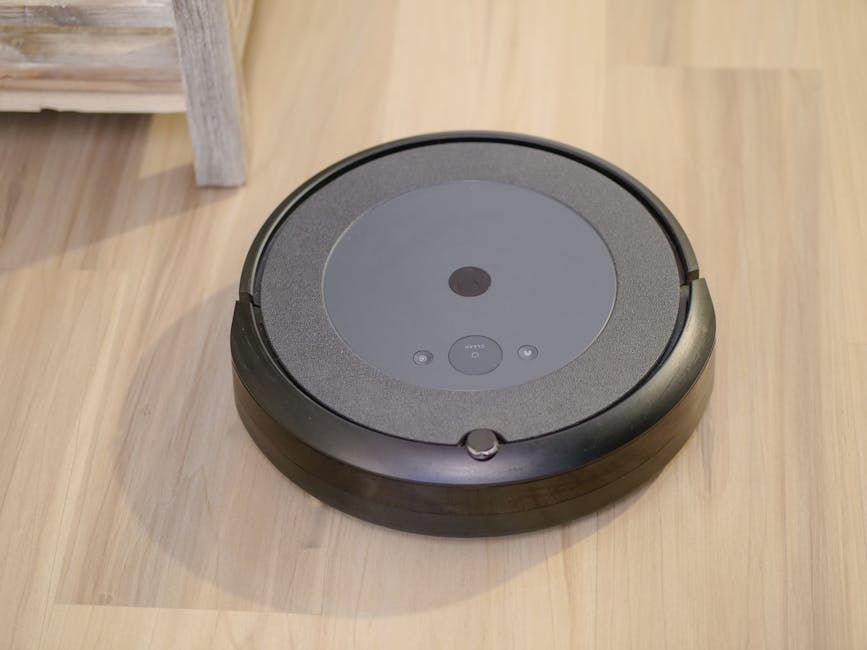
    Smart home automation can significantly enhance energy efficiency, leading to cost savings and a reduced environmental footprint. This article provides tips on how to leverage smart home technology for energy efficiency and highlights the benefits of doing so:

    Use Smart Thermostats

    Install smart thermostats that learn your schedule and adjust heating and cooling accordingly. This helps maintain optimal temperatures while minimizing energy waste.

    Implement Smart Lighting

    Utilize smart lighting systems that allow you to control lights remotely, set schedules, and use motion sensors to turn off lights when rooms are unoccupied.

    Monitor Energy Usage

    Use smart plugs and energy monitoring devices to track the energy consumption of appliances. This data can help identify high-energy devices and encourage more efficient usage.

    Automate Window Treatments

    Smart blinds and curtains can be programmed to open and close based on the time of day or sunlight levels, helping to regulate indoor temperatures naturally.

    Optimize Appliance Usage

    Schedule appliances like washing machines and dishwashers to run during off-peak hours when energy demand is lower, reducing strain on the grid and lowering energy costs.

    Integrate Renewable Energy Sources

    Consider integrating solar panels or other renewable energy sources with your smart home system to maximize energy efficiency and reduce reliance on traditional power sources.

    Conclusion

    By implementing smart home automation strategies focused on energy efficiency, homeowners can enjoy significant cost savings, reduce their environmental impact, and create a more sustainable living environment. Embracing these technologies is a step towards a greener future.

    Meta Description: Learn how smart home automation can enhance energy efficiency with tips on using smart thermostats, lighting, monitoring, and more.

    Keywords: smart home energy efficiency, energy-saving smart home tips, smart thermostats for energy savings, smart lighting for efficiency, sustainable smart home technology

  • Future Trends in Smart Home Automation Technology

    Future Trends in Smart Home Automation Technology

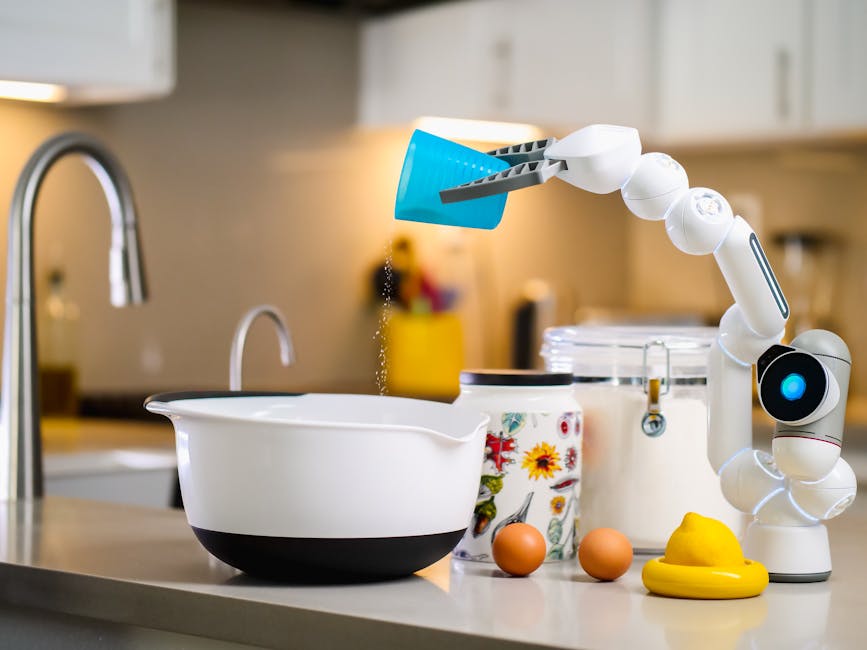
    The smart home automation industry is rapidly evolving, with new technologies and trends shaping the future of connected living. This article explores some of the key trends to watch for in smart home automation technology:

    Integration of Artificial Intelligence (AI)

    AI is becoming increasingly integrated into smart home systems, enabling more personalized and adaptive experiences. AI-powered devices can learn user preferences and automate tasks based on behavior patterns.

    Voice Control Advancements

    Voice assistants like Amazon Alexa, Google Assistant, and Apple Siri are becoming more sophisticated, allowing for more natural interactions and expanded control over smart home devices.

    Enhanced Interoperability

    Future smart home systems will focus on improved interoperability between devices from different manufacturers, making it easier for users to create cohesive ecosystems without compatibility issues.

    Increased Focus on Security

    As smart homes become more prevalent, there will be a greater emphasis on cybersecurity measures to protect against hacking and data breaches. Future devices will incorporate advanced encryption and security protocols.

    Energy Management Solutions

    Smart home technology will continue to evolve with a focus on energy management, including advanced monitoring systems, renewable energy integration, and smarter grid connectivity to optimize energy usage.

    Augmented Reality (AR) Integration

    AR technology may be integrated into smart home systems, allowing users to visualize and control their smart devices through AR interfaces, enhancing user experience and interaction.

    Conclusion

    The future of smart home automation technology is promising, with advancements in AI, voice control, interoperability, security, energy management, and AR integration set to transform the way we live. Staying informed about these trends can help homeowners make the most of their smart home investments.

    Meta Description: Explore future trends in smart home automation technology, including AI integration, voice control advancements, enhanced interoperability, and more.

    Keywords: future of smart home automation, smart home technology trends, AI in smart homes, voice control advancements, smart home security trends

  • Robotics in Education: Transforming Learning Experiences

    Robotics in Education: Transforming Learning Experiences

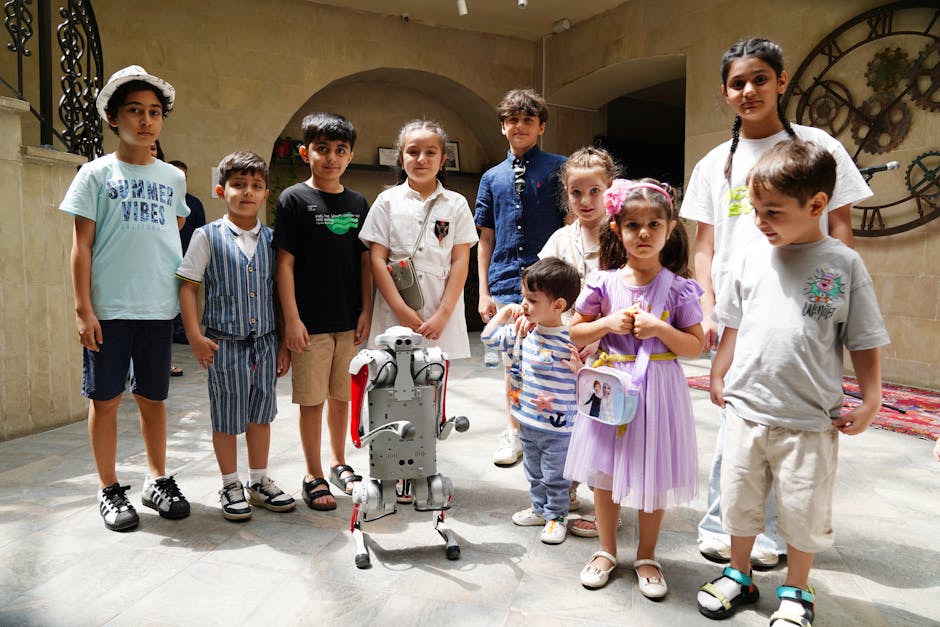
    Robotics technology is transforming education by providing innovative learning experiences that engage students and enhance their understanding of STEM subjects. This article explores the various ways in which robotics is being integrated into educational settings and its impact on student learning.

    Hands-On Learning Opportunities

    Robotics kits and platforms allow students to build and program robots, providing hands-on learning experiences that reinforce theoretical concepts in science, technology, engineering, and mathematics (STEM).

    Encouraging Creativity and Problem-Solving

    Working with robotics encourages creativity and critical thinking as students design solutions to challenges, troubleshoot issues, and iterate on their designs. This fosters a problem-solving mindset essential for future careers.

    Promoting Collaboration and Teamwork

    Robotics projects often involve teamwork, promoting collaboration and communication skills among students. Working together on complex tasks helps develop interpersonal skills essential for future careers.

    Preparing Students for Future Careers

    Exposure to robotics at an early age prepares students for careers in STEM fields. As robotics technology continues to advance, skills in programming, engineering, and technology will be increasingly valuable in the job market.

    Inclusive Education

    Robotics can be adapted to suit diverse learning needs, making it an inclusive tool for students with varying abilities. It provides opportunities for all students to engage with STEM subjects in an accessible way.

    Conclusion

    Robotics is transforming education by providing hands-on learning opportunities, encouraging creativity, promoting collaboration, preparing students for future careers, and supporting inclusive education. By integrating robotics into educational settings, we can inspire the next generation of innovators.

    Meta Description: Discover how robotics is transforming education through hands-on learning, creativity, collaboration, career preparation, and inclusive education.

    Keywords: robotics in education, STEM learning with robots, hands-on robotics education, future careers in robotics, inclusive education technology

  • Robotics in Agriculture: Enhancing Efficiency and Sustainability

    Robotics in Agriculture: Enhancing Efficiency and Sustainability

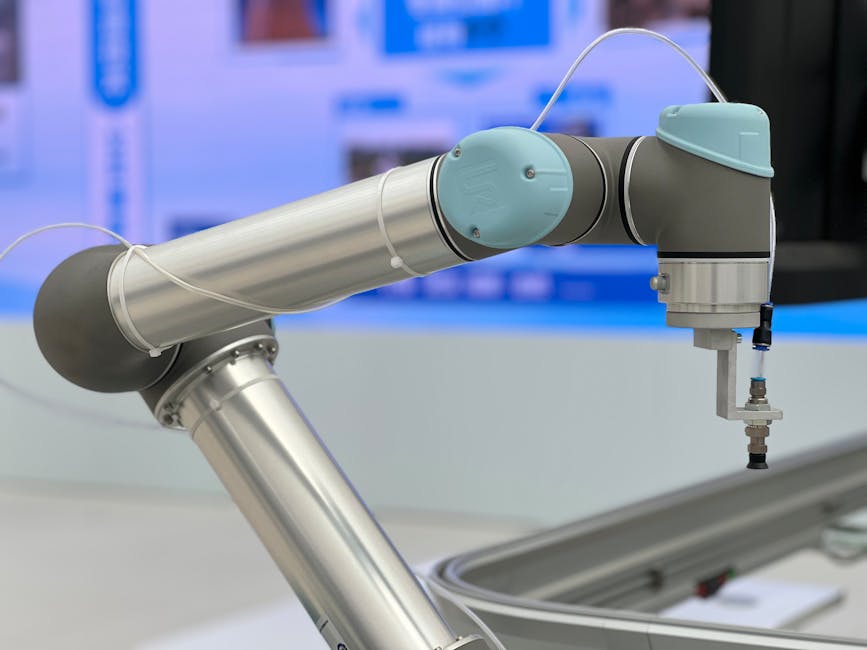
    Robotics technology is revolutionizing agriculture by enhancing efficiency, productivity, and sustainability in farming practices. This article explores the various applications of robotics in agriculture and their impact on the industry.

    Automated Machinery

    Robotic tractors, harvesters, and planters are being used to automate labor-intensive tasks, reducing the need for manual labor and increasing operational efficiency on farms.

    Precision Agriculture

    Robots equipped with sensors and GPS technology enable precision agriculture practices, allowing farmers to optimize resource usage, monitor crop health, and apply fertilizers and pesticides more effectively.

    Crop Monitoring and Data Collection

    Drones and ground robots are used to monitor crop growth, assess soil conditions, and collect data on environmental factors. This information helps farmers make informed decisions to improve yields and reduce waste.

    Weed and Pest Control

    Robotic systems can identify and target weeds and pests with precision, minimizing the use of chemicals and promoting sustainable farming practices. This approach reduces environmental impact and enhances crop health.

    Livestock Management

    Robotics technology is also being applied in livestock management, with automated feeding systems, health monitoring devices, and robotic milking machines improving animal welfare and farm efficiency.

    Future Prospects

    As robotics technology continues to advance, future prospects in agriculture include the development of fully autonomous farms, advanced AI-driven decision-making systems, and innovative solutions for climate-resilient farming.

    Conclusion

    Robotics is playing a transformative role in agriculture by enhancing efficiency, promoting sustainability, and improving productivity. By embracing robotic technology, farmers can address challenges in food production and contribute to a more sustainable future.

    Meta Description: Explore how robotics is enhancing efficiency and sustainability in agriculture through automated machinery, precision farming, crop monitoring, weed control, and livestock management.

    Keywords: robotics in agriculture, agricultural robots, precision farming, sustainable agriculture technology, farm automation

  • The Impact of Robotics on the Future of Work

    The Impact of Robotics on the Future of Work

    Robotics is poised to have a profound impact on the future of work, reshaping industries, job roles, and workforce dynamics. This article explores the various ways in which robotics is influencing the workplace and the implications for employees and employers.

    Automation of Repetitive Tasks

    Robots are increasingly being used to automate repetitive and mundane tasks, freeing up human workers to focus on more complex and creative activities. This shift can lead to increased productivity and job satisfaction.

    Creation of New Job Roles

    While robotics may displace certain jobs, it also creates new opportunities in fields such as robot maintenance, programming, and system integration. The demand for skilled workers in robotics-related roles is expected to grow significantly.

    Enhanced Workplace Safety

    Robots can take on dangerous tasks, reducing the risk of injuries for human workers. This improvement in workplace safety can lead to a healthier workforce and lower insurance costs for employers.

    Changes in Skill Requirements

    The integration of robotics in the workplace necessitates a shift in skill requirements. Employees will need to develop technical skills related to robotics operation, programming, and data analysis to remain competitive in the job market.

    Impact on Workforce Dynamics

    The adoption of robotics may lead to changes in workforce dynamics, including shifts in team structures, collaboration methods, and management practices. Employers will need to adapt to these changes to effectively integrate robotics into their operations.

    Ethical and Social Considerations

    The impact of robotics on employment raises ethical and social considerations, including concerns about job displacement, income inequality, and access to retraining opportunities. Addressing these issues is essential for ensuring a fair transition to a robotics-driven workplace.

    Conclusion

    The impact of robotics on the future of work is multifaceted, offering both challenges and opportunities. By embracing automation, creating new job roles, enhancing safety, adapting skill requirements, and addressing ethical considerations, businesses can navigate the evolving landscape of work in the age of robotics.

    Meta Description: Discover the impact of robotics on the future of work, including automation, job creation, workplace safety, skill requirements, and workforce dynamics.

    Keywords: impact of robotics on work, future of work with robots, workplace automation, robotics job creation, workforce dynamics

  • Robotics in Healthcare: Transforming Patient Care and Medical Procedures

    Robotics in Healthcare: Transforming Patient Care and Medical Procedures

    Robotics technology is transforming healthcare by enhancing patient care, improving medical procedures, and increasing efficiency in healthcare delivery. This article explores the various applications of robotics in the healthcare industry and their impact on patient outcomes.

    Surgical Robots

    Robotic surgical systems, such as the da Vinci Surgical System, enable surgeons to perform minimally invasive procedures with greater precision and control. These robots enhance dexterity, reduce recovery times, and minimize complications.

    Rehabilitation Robots

    Rehabilitation robots assist patients in regaining mobility and strength after injuries or surgeries. Devices like robotic exoskeletons provide support and facilitate movement during physical therapy sessions.

    Diagnostic Robots

    Robotic systems are used for diagnostic purposes, such as robotic endoscopy and imaging. These robots improve accuracy in detecting medical conditions and enable less invasive diagnostic procedures.

    Telemedicine and Remote Care

    Robotics technology facilitates telemedicine by allowing healthcare providers to remotely monitor patients and conduct virtual consultations. Robotic telepresence systems enable doctors to interact with patients from a distance.

    Medication Management

    Automated robotic systems are used in pharmacies and hospitals to manage medication dispensing, reducing errors and ensuring accurate dosages for patients.

    Patient Assistance Robots

    Robots designed to assist patients with daily activities, such as mobility aids and companion robots, enhance the quality of life for individuals with disabilities or chronic conditions.

    Conclusion

    Robotics is playing a pivotal role in transforming healthcare by improving surgical precision, enhancing rehabilitation, enabling remote care, managing medications, and assisting patients. As technology continues to advance, robotics will further revolutionize patient care and medical procedures.

    Meta Description: Explore how robotics is transforming healthcare through surgical robots, rehabilitation devices, diagnostic tools, telemedicine, medication management, and patient assistance.

    Keywords: robotics in healthcare, medical robots, surgical robots, rehabilitation robotics, telemedicine technology

  • Robotics and Artificial Intelligence: A Synergistic Relationship

    Robotics and Artificial Intelligence: A Synergistic Relationship

    The relationship between robotics and artificial intelligence (AI) is a synergistic one, where advancements in one field drive progress in the other. This article explores how robotics and AI complement each other and the implications of their integration for various applications.

    Enhancing Robot Autonomy

    AI enables robots to operate autonomously by providing them with the ability to perceive their environment, make decisions, and learn from experiences. Machine learning algorithms allow robots to adapt to new situations and improve their performance over time.

    Advanced Perception Capabilities

    AI-powered robots can process vast amounts of sensory data, enabling them to recognize objects, understand spatial relationships, and interpret complex environments. This enhanced perception is crucial for applications such as autonomous vehicles and robotic assistants.

    Improved Human-Robot Interaction

    AI facilitates more natural interactions between humans and robots through speech recognition, natural language processing, and emotion detection. This capability enhances the usability of robots in customer service, healthcare, and personal assistance roles.

    Complex Task Execution

    The integration of AI allows robots to perform complex tasks that require problem-solving skills, such as assembly line work, surgical procedures, and disaster response. AI algorithms help robots analyze situations and determine the best course of action.

    Ethical Considerations

    The combination of robotics and AI raises ethical questions regarding decision-making, accountability, and the potential impact on employment. It is essential to address these concerns to ensure responsible development and deployment of AI-powered robots.

    Conclusion

    The synergistic relationship between robotics and artificial intelligence is driving significant advancements in technology. By enhancing robot autonomy, perception capabilities, human-robot interaction, and task execution, the integration of AI into robotics is shaping the future of various industries and applications.

    Meta Description: Discover the synergistic relationship between robotics and artificial intelligence, exploring how AI enhances robot autonomy, perception, interaction, and task execution.

    Keywords: robotics and AI, artificial intelligence in robotics, robot autonomy, human-robot interaction, AI-powered robots

  • The Role of Robotics in Disaster Response and Recovery

    The Role of Robotics in Disaster Response and Recovery

    Robotics technology plays a crucial role in disaster response and recovery efforts, providing valuable assistance in hazardous environments where human intervention may be risky. This article explores the various applications of robotics in disaster scenarios and their impact on rescue operations.

    Search and Rescue Operations

    Robots equipped with cameras and sensors can navigate through debris and rubble to locate survivors in disaster-stricken areas. Drones, ground robots, and underwater robots are commonly used for search and rescue missions.

    Hazardous Environment Exploration

    Robots can enter environments that are unsafe for humans, such as areas with toxic chemicals, radiation, or structural instability. This capability allows for the assessment of damage and identification of hazards without putting human lives at risk.

    Delivery of Supplies

    In disaster zones where access is limited, robots can deliver essential supplies such as food, water, and medical equipment to affected individuals. Drones and autonomous vehicles are particularly useful for reaching remote or inaccessible locations.

    Structural Assessment and Monitoring

    Robotic systems can be used to assess the structural integrity of buildings and infrastructure after a disaster. They can collect data on damage levels, helping engineers plan safe recovery and reconstruction efforts.

    Communication Support

    Robots can establish temporary communication networks in disaster areas where traditional infrastructure has been damaged. This capability is vital for coordinating rescue efforts and providing information to affected communities.

    Conclusion

    The role of robotics in disaster response and recovery is increasingly significant, offering innovative solutions to enhance safety, efficiency, and effectiveness in emergency situations. As technology continues to advance, robotics will play an even more critical role in saving lives and aiding recovery efforts.

    Meta Description: Explore the role of robotics in disaster response and recovery, including search and rescue operations, hazardous environment exploration, supply delivery, and structural assessment.

    Keywords: robotics in disaster response, search and rescue robots, disaster recovery technology, robotic hazard exploration, emergency response robotics

  • Robotics Competitions: Fostering Innovation and Teamwork

    Robotics Competitions: Fostering Innovation and Teamwork

    Robotics competitions have become popular events that foster innovation, teamwork, and problem-solving skills among participants. This article explores the significance of robotics competitions and how they contribute to the development of future engineers and technologists.

    Encouraging Innovation

    Robotics competitions challenge participants to design and build robots that can perform specific tasks or solve problems. This environment encourages creativity and innovation as teams develop unique solutions to meet competition requirements.

    Developing Technical Skills

    Participants in robotics competitions gain hands-on experience in engineering, programming, and electronics. These practical skills are essential for careers in STEM fields and provide a strong foundation for future learning.

    Promoting Teamwork

    Robotics competitions require collaboration among team members, fostering teamwork and communication skills. Working together to achieve common goals helps participants learn how to leverage each other’s strengths and manage challenges effectively.

    Inspiring Future Careers

    Exposure to robotics competitions can inspire participants to pursue careers in engineering, technology, and related fields. The excitement of building and competing with robots often ignites a passion for STEM subjects.

    Building Confidence

    Participating in robotics competitions helps build confidence as students present their projects, defend their designs, and compete against peers. This experience enhances public speaking and leadership skills.

    Conclusion

    Robotics competitions play a vital role in fostering innovation, technical skills, teamwork, career inspiration, and confidence among participants. By engaging in these events, students and enthusiasts can develop the skills and mindset needed to succeed in the rapidly evolving field of robotics.

    Meta Description: Discover how robotics competitions foster innovation, teamwork, and technical skills while inspiring future careers in STEM fields.

    Keywords: robotics competitions, innovation in robotics, teamwork in robotics, STEM careers, technical skills development

  • Educational Robotics: Inspiring the Next Generation of Innovators

    Educational Robotics: Inspiring the Next Generation of Innovators

    Educational robotics is an emerging field that uses robots as tools to teach students about science, technology, engineering, and mathematics (STEM). This article explores how educational robotics is inspiring the next generation of innovators and the benefits it offers to students.

    Hands-On Learning

    Educational robotics provides students with hands-on learning experiences, allowing them to build, program, and operate robots. This practical approach helps reinforce theoretical concepts and enhances understanding.

    Encouraging Creativity and Problem-Solving

    Working with robotics encourages creativity and critical thinking. Students learn to design solutions, troubleshoot issues, and iterate on their designs, fostering a problem-solving mindset.

    Promoting Collaboration

    Robotics projects often involve teamwork, promoting collaboration and communication skills among students. Working together on complex tasks helps develop interpersonal skills essential for future careers.

    Preparing for Future Careers

    Exposure to robotics at an early age prepares students for careers in STEM fields. As robotics technology continues to advance, skills in programming, engineering, and technology will be increasingly valuable in the job market.

    Inclusive Education

    Educational robotics can be adapted to suit diverse learning needs, making it an inclusive tool for students with varying abilities. It provides opportunities for all students to engage with STEM subjects in an accessible way.

    Conclusion

    Educational robotics is a powerful tool for inspiring the next generation of innovators. By providing hands-on learning experiences, encouraging creativity, promoting collaboration, preparing students for future careers, and supporting inclusive education, robotics is shaping the future of STEM education.

    Meta Description: Learn how educational robotics is inspiring the next generation of innovators through hands-on learning, creativity, collaboration, and career preparation.

    Keywords: educational robotics, STEM education, hands-on learning with robots, robotics for students, future innovators