Category: Uncategorized

  • Cardio vs. Strength Training: Finding the Right Balance

    Cardio vs. Strength Training: Finding the Right Balance

    Both cardio and strength training are essential components of a well-rounded fitness routine. Finding the right balance between the two can help you achieve optimal health, improve performance, and reach your fitness goals. Here’s a breakdown of the benefits of each and tips for balancing them effectively.

    Benefits of Cardio

    Cardiovascular exercise improves heart health, increases endurance, and helps burn calories. It can also boost mood and reduce stress levels. Common cardio activities include running, cycling, swimming, and brisk walking.

    Benefits of Strength Training

    Strength training builds muscle mass, enhances metabolism, and improves bone density. It also supports joint health and can help prevent injuries. Examples of strength training exercises include weightlifting, bodyweight exercises, and resistance band workouts.

    Finding the Right Balance

    Aim to incorporate both cardio and strength training into your weekly routine. A general guideline is to engage in at least 150 minutes of moderate-intensity cardio per week, along with two to three strength training sessions targeting all major muscle groups.

    Sample Weekly Routine

    • Monday: Cardio (30 minutes)
    • Tuesday: Strength Training (Full body)
    • Wednesday: Rest or light activity
    • Thursday: Cardio (30 minutes)
    • Friday: Strength Training (Upper body)
    • Saturday: Cardio (30 minutes)
    • Sunday: Strength Training (Lower body)

    Conclusion

    Balancing cardio and strength training is key to achieving overall fitness and health. By incorporating both types of exercise into your routine, you can enjoy the benefits of improved cardiovascular health, increased muscle strength, and enhanced physical performance.

    Meta Description: Learn how to balance cardio and strength training for optimal fitness, including benefits of each and a sample weekly routine.

    Keywords: cardio vs strength training, fitness balance, cardiovascular health, muscle strength, workout routine


  • The Role of Mental Health in Physical Fitness

    The Role of Mental Health in Physical Fitness

    Mental health plays a crucial role in physical fitness and overall well-being. A healthy mind can enhance motivation, focus, and resilience, which are essential for maintaining a consistent fitness routine. Here’s how mental health impacts physical fitness and strategies to support both.

    Motivation and Consistency

    Good mental health fosters motivation and helps maintain consistency in workouts. Setting realistic goals and celebrating small achievements can boost confidence and encourage continued effort.

    Stress Management

    Chronic stress can negatively affect physical health and fitness progress. Incorporating stress-reducing activities such as yoga, meditation, or deep breathing exercises can improve mental well-being and support fitness goals.

    Sleep Quality

    Mental health issues can disrupt sleep patterns, which are vital for recovery and performance. Prioritizing sleep hygiene and addressing mental health concerns can lead to better rest and improved physical fitness.

    Positive Mindset

    Cultivating a positive mindset can enhance self-esteem and body image, leading to a more enjoyable fitness experience. Practice self-compassion and focus on progress rather than perfection.

    Social Support

    Building a supportive community through workout groups or fitness classes can improve mental health by providing encouragement, accountability, and a sense of belonging.

    Conclusion

    Prioritizing mental health is essential for achieving and maintaining physical fitness. By managing stress, ensuring quality sleep, fostering a positive mindset, and seeking social support, individuals can enhance their overall well-being and fitness journey.

    Meta Description: Explore the role of mental health in physical fitness and learn strategies to support both mental well-being and fitness goals.

    Keywords: mental health, physical fitness, stress management, motivation, sleep quality

  • Nutrition Tips for Optimal Athletic Performance

    Nutrition Tips for Optimal Athletic Performance

    Proper nutrition is essential for athletes to perform at their best and recover effectively. Here are some nutrition tips to help optimize athletic performance.

    1. Balanced Diet

    Consume a well-rounded diet that includes carbohydrates, proteins, healthy fats, vitamins, and minerals to fuel your body and support overall health.

    2. Pre-Workout Nutrition

    Eat a meal or snack rich in carbohydrates and moderate in protein about 2-3 hours before exercise to provide energy and enhance performance.

    3. Hydration

    Stay hydrated by drinking water throughout the day and consuming fluids before, during, and after workouts to maintain optimal hydration levels.

    4. Post-Workout Recovery

    Consume a combination of protein and carbohydrates within 30-60 minutes after exercise to aid muscle recovery and replenish glycogen stores.

    5. Avoid Processed Foods

    Limit intake of processed foods high in sugar, unhealthy fats, and additives, as they can negatively impact performance and recovery.

    6. Listen to Your Body

    Pay attention to hunger cues and eat when you’re hungry, ensuring you provide your body with the necessary nutrients for optimal performance.

    Conclusion

    By following these nutrition tips, athletes can enhance their performance, improve recovery, and maintain overall health. Prioritize a balanced diet, proper hydration, and timely meals to support your athletic goals.

    Meta Description: Discover nutrition tips for optimal athletic performance, including balanced diet, pre- and post-workout nutrition, hydration, and recovery strategies.

    Keywords: athletic nutrition, performance tips, hydration, pre-workout meals, post-workout recovery

  • Mindfulness Meditation Techniques for Stress Relief

    Mindfulness Meditation Techniques for Stress Relief

    Mindfulness meditation is a powerful practice that can help reduce stress, improve focus, and enhance overall well-being. Here are some effective mindfulness meditation techniques to incorporate into your daily routine.

    1. Breathing Meditation

    Focus on your breath, observing each inhale and exhale without trying to control it. When your mind wanders, gently bring attention back to the breath.

    2. Body Scan Meditation

    Lie down or sit comfortably and systematically focus on different parts of your body, noticing any sensations or tension without judgment.

    3. Walking Meditation

    Walk slowly and deliberately, paying attention to each step and the sensations in your feet as they touch the ground.

    4. Loving-Kindness Meditation

    Direct feelings of love and compassion towards yourself and others, starting with yourself and gradually expanding to include loved ones, acquaintances, and even those you may have difficulty with.

    5. Mindful Eating

    Practice eating slowly and attentively, savoring each bite while paying attention to taste, texture, and aroma.

    Conclusion

    Incorporating mindfulness meditation into your daily routine can significantly reduce stress levels and improve mental clarity. Start with just a few minutes each day and gradually increase the duration as you become more comfortable with these practices.

    Meta Description: Learn effective mindfulness meditation techniques for stress relief, including breathing meditation, body scan meditation, walking meditation, loving-kindness meditation, and mindful eating.

    Keywords: mindfulness meditation, stress relief techniques, breathing exercises

  • The Role of AI in Enhancing Cybersecurity Measures

    The Role of AI in Enhancing Cybersecurity Measures

    Artificial Intelligence (AI) is playing a crucial role in enhancing cybersecurity measures by providing advanced tools for threat detection, response, and prevention. This article explores how AI is transforming cybersecurity and the benefits it offers to organizations.

    Real-Time Threat Detection

    AI-powered systems can analyze vast amounts of data to identify patterns and anomalies that may indicate a cyber threat. By detecting threats in real-time, AI can help prevent attacks before they cause significant damage.

    Automated Incident Response

    AI can automate responses to cyber threats, allowing for quicker mitigation of attacks. This includes isolating affected systems, blocking malicious traffic, and alerting security teams to take further action.

    Predictive Analytics

    AI-driven predictive analytics can forecast potential cyber threats based on historical data and emerging trends. This enables organizations to proactively strengthen their defenses against anticipated attacks.

    Enhanced User Authentication

    AI technologies, such as biometric recognition and behavioral analysis, are improving user authentication methods. This helps prevent unauthorized access to sensitive information and systems.

    Continuous Monitoring

    AI enables continuous monitoring of networks and systems, providing ongoing protection against cyber threats. This allows for the early detection of vulnerabilities and the implementation of necessary security measures.

    Conclusion

    Artificial intelligence is revolutionizing cybersecurity by providing advanced tools for threat detection, automated response, predictive analytics, enhanced authentication, and continuous monitoring. As cyber threats continue to evolve, leveraging AI technologies will be essential for organizations to safeguard their digital assets effectively.

    Meta Description: Explore how artificial intelligence is enhancing cybersecurity through threat detection, automated response, predictive analytics, and continuous monitoring.

    Keywords: AI in cybersecurity, threat detection, automated response, predictive analytics, user authentication

  • AI in Agriculture: Boosting Productivity and Sustainability

    AI in Agriculture: Boosting Productivity and Sustainability

    Artificial Intelligence (AI) is revolutionizing agriculture by enhancing productivity, improving sustainability, and optimizing resource management. This article explores how AI is being applied in agriculture and the benefits it brings to farmers and the environment.

    Precision Farming

    AI-powered precision farming techniques use data from sensors, drones, and satellite imagery to monitor crop health, soil conditions, and weather patterns. This allows farmers to make informed decisions about planting, irrigation, and fertilization.

    Crop Disease Detection

    AI algorithms can analyze images of crops to identify signs of disease or pest infestations early. Early detection enables timely intervention, reducing crop losses and minimizing the need for chemical treatments.

    Yield Prediction

    AI models can predict crop yields based on historical data, weather forecasts, and current field conditions. This information helps farmers plan their harvests and manage supply chains more effectively.

    Resource Optimization

    AI technologies can optimize the use of water, fertilizers, and pesticides, reducing waste and environmental impact. This promotes sustainable farming practices and conserves natural resources.

    Autonomous Farming Equipment

    AI-driven autonomous tractors and machinery are being developed to perform tasks such as planting, harvesting, and weeding. This increases efficiency and reduces labor costs for farmers.

    Conclusion

    The integration of artificial intelligence in agriculture is driving significant advancements in productivity, sustainability, and resource management. By leveraging AI technologies, farmers can enhance crop yields, reduce environmental impact, and ensure food security for the growing global population.

    Meta Description: Explore how artificial intelligence is transforming agriculture through precision farming, disease detection, yield prediction, and resource optimization.

    Keywords: AI in agriculture, precision farming, crop disease detection, yield prediction, sustainable farming

  • AI and Mental Health: Innovative Approaches to Support Well-being

    AI and Mental Health: Innovative Approaches to Support Well-being

    Artificial Intelligence (AI) is being increasingly utilized in the field of mental health, offering innovative approaches to support well-being and improve access to care. This article explores how AI is contributing to mental health solutions and the potential benefits it brings.

    AI-Powered Therapy Apps

    AI-driven therapy apps provide users with access to mental health support through chatbots and virtual counselors. These apps can offer cognitive-behavioral therapy techniques, mood tracking, and coping strategies.

    Early Detection of Mental Health Issues

    AI algorithms can analyze speech patterns, social media activity, and biometric data to identify early signs of mental health conditions such as depression and anxiety. Early detection allows for timely intervention and support.

    Personalized Treatment Plans

    AI can help create personalized treatment plans by analyzing patient data and predicting responses to various therapies. This tailored approach can enhance the effectiveness of mental health interventions.

    Reducing Stigma

    AI-powered platforms can provide anonymous support, reducing the stigma associated with seeking mental health care. This encourages more individuals to access the help they need.

    Enhancing Therapist Support

    AI tools can assist mental health professionals by providing insights into patient progress, suggesting treatment adjustments, and automating administrative tasks, allowing therapists to focus more on patient care.

    Conclusion

    The integration of artificial intelligence in mental health is opening new avenues for support, early detection, personalized treatment, stigma reduction, and therapist assistance. As AI technologies continue to advance, they hold great promise for improving mental health outcomes and accessibility.

    Meta Description: Discover how artificial intelligence is transforming mental health care through therapy apps, early detection, personalized treatment, and stigma reduction.

    Keywords: AI in mental health, therapy apps, early detection, personalized treatment, mental well-being

  • AI in Entertainment: Shaping the Future of Media

    AI in Entertainment: Shaping the Future of Media

    Artificial Intelligence (AI) is transforming the entertainment industry by enhancing content creation, personalization, and audience engagement. This article explores how AI is shaping the future of media and the benefits it brings to both creators and consumers.

    Content Creation

    AI technologies are being used to generate music, art, and even scripts for movies and TV shows. These tools can assist creators in brainstorming ideas, automating repetitive tasks, and enhancing creativity.

    Personalized Recommendations

    Streaming platforms leverage AI algorithms to analyze user preferences and viewing habits, providing personalized content recommendations. This enhances user experience and keeps audiences engaged.

    Virtual Reality and Augmented Reality

    AI is playing a crucial role in developing immersive experiences through virtual reality (VR) and augmented reality (AR). These technologies offer new ways for audiences to interact with content and participate in storytelling.

    Audience Analytics

    AI-powered analytics tools help entertainment companies understand audience behavior and preferences. This data-driven approach enables better content development and marketing strategies.

    Interactive Storytelling

    AI is enabling interactive storytelling experiences where audiences can influence the narrative through their choices. This creates a more engaging and participatory form of entertainment.

    Conclusion

    The integration of artificial intelligence in the entertainment industry is driving innovation in content creation, personalization, immersive experiences, audience analytics, and interactive storytelling. As AI continues to evolve, it will play a pivotal role in shaping the future of media and entertainment.

    Meta Description: Explore how artificial intelligence is transforming the entertainment industry through content creation, personalized recommendations, VR/AR, and interactive storytelling.

    Keywords: AI in entertainment, content creation, personalized media, virtual reality, interactive storytelling

  • The Impact of AI on Small Businesses: Opportunities and Challenges

    The Impact of AI on Small Businesses: Opportunities and Challenges

    Artificial Intelligence (AI) is increasingly accessible to small businesses, offering new opportunities for growth and efficiency. This article explores the impact of AI on small businesses, highlighting both the opportunities it presents and the challenges that need to be addressed.

    Opportunities for Small Businesses

    • Enhanced Customer Service: AI-powered chatbots and virtual assistants can provide 24/7 customer support, improving customer satisfaction and engagement.
    • Marketing Automation: AI tools can analyze customer data to create targeted marketing campaigns, increasing conversion rates and ROI.
    • Operational Efficiency: AI can automate routine tasks such as inventory management, invoicing, and scheduling, allowing small business owners to focus on strategic activities.
    • Data-Driven Decision Making: AI analytics can provide insights into customer behavior, market trends, and business performance, enabling informed decision-making.

    Challenges for Small Businesses

    • Cost of Implementation: While AI technologies are becoming more affordable, the initial investment can still be a barrier for some small businesses.
    • Skill Gaps: Small business owners may lack the technical expertise needed to implement and manage AI solutions effectively.
    • Data Privacy Concerns: Handling customer data responsibly is crucial, and small businesses must ensure compliance with data protection regulations.
    • Integration with Existing Systems: Integrating AI tools with current business systems can be complex and may require additional resources.

    Conclusion

    Artificial intelligence offers significant opportunities for small businesses to enhance customer service, streamline operations, and make data-driven decisions. However, addressing challenges such as cost, skill gaps, data privacy, and system integration is essential for successful AI adoption. By navigating these challenges, small businesses can leverage AI to drive growth and competitiveness in the market.

    Meta Description: Discover the impact of artificial intelligence on small businesses, including opportunities for growth and challenges to consider for successful adoption.

    Keywords: AI for small businesses, small business growth, marketing automation, operational efficiency, data-driven decisions

  • AI in Transportation: Driving the Future of Mobility

    AI in Transportation: Driving the Future of Mobility

    Artificial Intelligence (AI) is revolutionizing the transportation industry by enhancing safety, improving efficiency, and enabling new mobility solutions. This article explores how AI is driving the future of transportation and the benefits it brings to society.

    Autonomous Vehicles

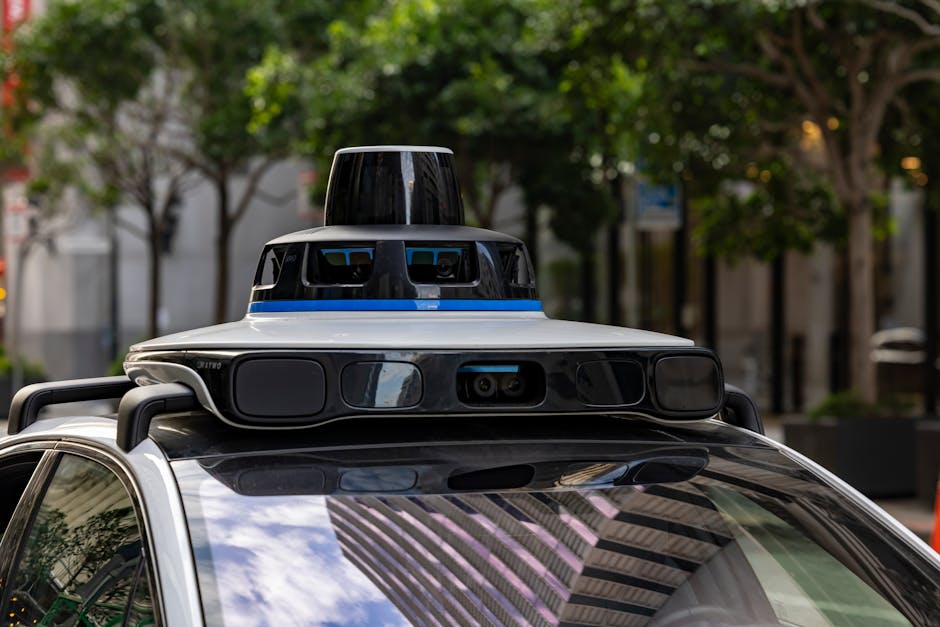
    AI-powered autonomous vehicles are transforming the way we travel. These vehicles use sensors, cameras, and machine learning algorithms to navigate roads, avoid obstacles, and make real-time decisions, potentially reducing accidents caused by human error.

    Traffic Management

    AI technologies are being used to optimize traffic flow and reduce congestion in urban areas. By analyzing traffic patterns and adjusting signal timings, AI can improve commute times and decrease emissions from idling vehicles.

    Predictive Maintenance

    AI can analyze data from vehicle sensors to predict maintenance needs before breakdowns occur. This proactive approach helps reduce downtime, lower repair costs, and enhance vehicle safety.

    Ride-Sharing and Mobility Services

    AI is enhancing ride-sharing platforms by optimizing routes, matching drivers with passengers, and providing personalized recommendations. This improves user experience and increases the efficiency of transportation services.

    Logistics and Supply Chain Optimization

    AI is streamlining logistics operations by optimizing delivery routes, managing inventory, and predicting demand. This leads to cost savings and improved service levels in the transportation of goods.

    Conclusion

    The integration of artificial intelligence in transportation is driving significant advancements in mobility, safety, and efficiency. As AI technologies continue to evolve, they will play a crucial role in shaping the future of transportation and creating smarter, more sustainable mobility solutions.

    Meta Description: Explore how artificial intelligence is transforming transportation through autonomous vehicles, traffic management, predictive maintenance, and ride-sharing services.

    Keywords: AI in transportation, autonomous vehicles, traffic management, predictive maintenance, ride-sharing