
Category: Uncategorized

  • The Importance of Coral Reefs and How to Protect Them

    The Importance of Coral Reefs and How to Protect Them

    Coral reefs are vital marine ecosystems that support a diverse range of marine life and provide numerous benefits to humans. Here’s why coral reefs are important and how we can protect them:

    Importance of Coral Reefs

    1. Biodiversity Hotspots: Coral reefs are home to approximately 25% of all marine species, providing habitat and shelter for countless fish, invertebrates, and other marine organisms.

    2. Coastal Protection: Reefs act as natural barriers, protecting coastlines from erosion, storm surges, and wave damage.

    3. Economic Value: Coral reefs contribute significantly to local economies through tourism, fishing, and recreational activities.

    4. Medical Resources: Many marine organisms found in coral reefs have been used in medical research for developing treatments for diseases such as cancer and HIV.

    How to Protect Coral Reefs

    1. Reduce Carbon Footprint: Climate change is a major threat to coral reefs. Reducing greenhouse gas emissions can help mitigate ocean warming and acidification.

    2. Avoid Harmful Sunscreens: Use reef-safe sunscreens that do not contain harmful chemicals like oxybenzone and octinoxate, which can damage coral health.

    3. Practice Responsible Tourism: When visiting coral reefs, avoid touching or stepping on corals, and follow local guidelines to minimize your impact.

    4. Support Sustainable Fishing: Overfishing can disrupt reef ecosystems. Choose sustainably sourced seafood and support fishing regulations that protect reef habitats.

    5. Participate in Reef Conservation Programs: Get involved in local conservation efforts, such as reef restoration projects or citizen science initiatives.

    6. Educate Others: Raise awareness about the importance of coral reefs and the threats they face to encourage collective action for their protection.

    Conclusion

    Coral reefs are essential to marine biodiversity and human well-being. By understanding their importance and taking proactive steps to protect them, we can help ensure their survival for future generations.

    Meta Description: Learn about the importance of coral reefs and how to protect them through reducing carbon footprint, responsible tourism, sustainable fishing, and more.

    Keywords: coral reef importance, protecting coral reefs, reef conservation tips, sustainable tourism practices, marine ecosystem protection
  • Essential Conservation Tips to Protect Marine Life

    Essential Conservation Tips to Protect Marine Life

    Protecting marine life is crucial for maintaining healthy ocean ecosystems and biodiversity. Here are some essential conservation tips to help safeguard marine species:

    1. Reduce Plastic Use: Minimize single-use plastics such as bags, bottles, and straws to prevent ocean pollution that harms marine animals.

    2. Support Sustainable Seafood: Choose seafood that is sustainably sourced to help reduce overfishing and protect marine populations.

    3. Participate in Beach Cleanups: Join local beach cleanup efforts to remove litter and debris that can harm marine life.

    4. Conserve Water: Use water wisely to reduce runoff and pollution that can negatively impact marine habitats.

    5. Avoid Harmful Chemicals: Use eco-friendly products and avoid chemicals that can contaminate waterways and harm aquatic life.

    6. Respect Marine Wildlife: Observe marine animals from a distance and avoid disturbing their natural behaviors or habitats.

    7. Support Marine Protected Areas: Advocate for the establishment and maintenance of marine protected areas to conserve critical habitats.

    8. Educate Others: Raise awareness about the importance of marine conservation and encourage others to take action.

    9. Reduce Carbon Footprint: Lower your carbon emissions to help mitigate climate change, which affects ocean temperatures and marine ecosystems.

    10. Get Involved: Join conservation organizations or volunteer for projects focused on protecting marine life.

    Conclusion

    By implementing these conservation tips, you can contribute to the protection of marine life and help ensure the health of our oceans for future generations. Every small action counts in making a positive impact.

    Meta Description: Discover essential conservation tips to protect marine life, including reducing plastic use, supporting sustainable seafood, beach cleanups, and more.

    Keywords: marine life conservation, protecting ocean wildlife, sustainable seafood choices, reducing ocean pollution, marine ecosystem preservation

  • How to Start a Marine Life Aquarium at Home

    How to Start a Marine Life Aquarium at Home

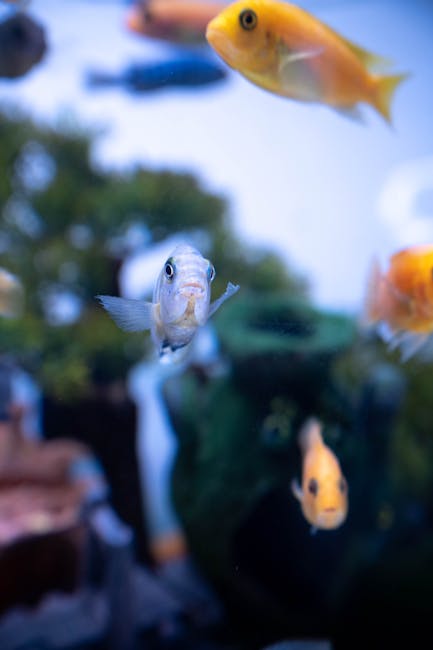
    Starting a marine life aquarium at home can be a rewarding experience, allowing you to observe and care for a variety of fascinating sea creatures. Here are some steps to help you set up your own marine aquarium:

    Choose the Right Tank

    Select an appropriate tank size based on the types and number of marine animals you plan to keep. A larger tank provides more stability and space for your aquatic pets.

    Set Up Filtration and Lighting

    Install a high-quality filtration system to maintain water quality and a suitable lighting system to mimic natural sunlight, which is essential for the health of marine life.

    Cycle the Tank

    Before adding any marine animals, cycle the tank to establish beneficial bacteria that will help break down waste products and maintain a healthy environment.

    Select Marine Species

    Research and choose compatible marine species that can thrive together in your aquarium. Consider factors such as size, temperament, and environmental needs.

    Acclimate New Additions

    When introducing new marine animals to your aquarium, acclimate them slowly to prevent shock. Use the drip method or float the bag in the tank water to equalize temperature.

    Maintain Water Quality

    Regularly test water parameters such as salinity, pH, ammonia, nitrite, and nitrate levels. Perform partial water changes as needed to keep the environment healthy.

    Feed Appropriately

    Provide a balanced diet tailored to the specific needs of your marine animals. Avoid overfeeding, as excess food can lead to poor water quality.

    Monitor Health

    Keep an eye on your marine animals for signs of stress or illness. Quarantine new additions before introducing them to the main tank to prevent disease spread.

    Conclusion

    By following these steps, you can successfully set up and maintain a thriving marine life aquarium at home. Enjoy the beauty and wonder of marine creatures right in your living space!

    Meta Description: Learn how to start a marine life aquarium at home with tips on tank setup, species selection, water quality maintenance, and more.

    Keywords: marine life aquarium setup, home aquarium tips, starting a saltwater tank, marine pet care, aquarium maintenance guide

  • Top 10 Fascinating Marine Animals You Should Know About

    Top 10 Fascinating Marine Animals You Should Know About

    The ocean is home to a diverse array of marine animals, each with unique characteristics and behaviors. Here are the top 10 fascinating marine animals you should know about:

    1. Dolphins: Known for their intelligence and playful behavior, dolphins are social creatures that communicate using a variety of sounds.

    2. Great White Sharks: These apex predators are known for their size and power, playing a crucial role in maintaining the balance of marine ecosystems.

    3. Octopuses: Renowned for their problem-solving skills and ability to camouflage, octopuses are among the most intelligent invertebrates.

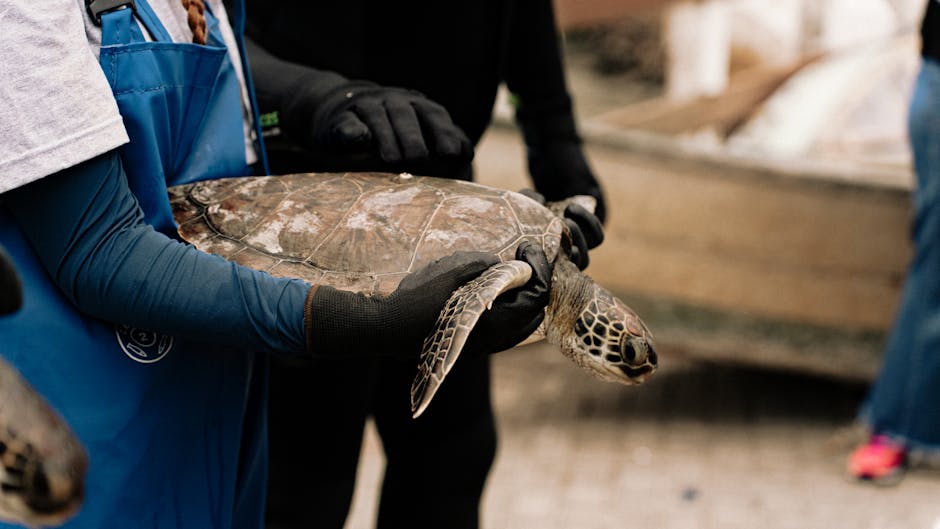
    4. Sea Turtles: These ancient reptiles have been around for millions of years and are known for their long migrations across oceans.

    5. Jellyfish: With their gelatinous bodies and stinging tentacles, jellyfish have been drifting through oceans for over 500 million years.

    6. Clownfish: Famous for their symbiotic relationship with sea anemones, clownfish are colorful and resilient inhabitants of coral reefs.

    7. Manta Rays: These graceful giants glide through the water with ease and are known for their large size and gentle nature.

    8. Seahorses: Unique among fish, seahorses have a horse-like head and are known for their monogamous mating habits.

    9. Blue Whales: The largest animals on Earth, blue whales can reach lengths of up to 100 feet and weigh as much as 200 tons.

    10. Coral: While not an animal in the traditional sense, coral reefs are vital marine ecosystems that support a vast array of marine life.

    Conclusion

    These fascinating marine animals showcase the incredible diversity and complexity of life in our oceans. Learning about them helps us appreciate the importance of marine conservation and the need to protect these incredible creatures.

    Meta Description: Discover the top 10 fascinating marine animals, including dolphins, great white sharks, octopuses, sea turtles, and more.

    Keywords: fascinating marine animals, ocean wildlife, marine biodiversity, interesting sea creatures, marine life facts

  • How to Socialize Your Dog for Better Behavior

    How to Socialize Your Dog for Better Behavior

    Socializing your dog is crucial for their development and behavior. Here are some tips to help you effectively socialize your dog:

    Start Early

    Begin socialization as early as possible, ideally during the critical socialization period between 3 and 14 weeks of age.

    Expose to Different Environments

    Introduce your dog to various environments, such as parks, streets, and pet-friendly stores, to help them become comfortable in different settings.

    Meet New People

    Encourage positive interactions with people of all ages, sizes, and appearances to build your dog’s confidence around strangers.

    Interact with Other Dogs

    Arrange playdates with well-behaved dogs to teach your dog appropriate social behaviors and improve their canine communication skills.

    Use Positive Reinforcement

    Reward your dog with treats, praise, or playtime for calm and friendly behavior during socialization experiences.

    Gradual Exposure

    Introduce new experiences gradually, starting with less stimulating situations and slowly increasing the level of exposure as your dog becomes more comfortable.

    Monitor Body Language

    Pay attention to your dog’s body language to ensure they are not overwhelmed or stressed during socialization. If they show signs of fear or anxiety, take a step back and try again later.

    Enroll in Training Classes

    Consider enrolling your dog in obedience or socialization classes led by professional trainers to provide structured socialization opportunities.

    Conclusion

    By following these tips, you can effectively socialize your dog, leading to better behavior and a more confident companion. Consistent exposure and positive experiences are key to successful socialization.

    Meta Description: Learn how to socialize your dog for better behavior with tips on early exposure, meeting new people, interacting with other dogs, and positive reinforcement.

    Keywords: dog socialization tips, improving canine behavior, effective dog training strategies, socializing puppies, building confident dogs

  • Essential Health Care Tips for Your Dog

    Essential Health Care Tips for Your Dog

    Maintaining your dog’s health is vital for their happiness and longevity. Here are some essential health care tips to keep your furry friend in top shape:

    1. Regular Vet Check-ups: Schedule annual veterinary visits for vaccinations, dental care, and overall health assessments.

    2. Balanced Diet: Provide a nutritious diet appropriate for your dog’s age, size, and activity level. Consult your vet for dietary recommendations.

    3. Exercise: Ensure your dog gets regular physical activity to maintain a healthy weight and mental stimulation.

    4. Grooming: Regularly brush your dog’s coat, trim nails, and clean ears to prevent infections and maintain hygiene.

    5. Parasite Prevention: Use flea, tick, and worm preventatives as recommended by your vet to protect your dog from parasites.

    6. Dental Care: Brush your dog’s teeth regularly and provide dental chews to prevent oral diseases.

    7. Hydration: Always provide fresh water to keep your dog hydrated, especially during hot weather or after exercise.

    8. Mental Stimulation: Engage your dog with toys, training, and socialization to keep their mind active and reduce boredom.

    9. Monitor Behavior: Pay attention to changes in behavior, appetite, or energy levels, as these can indicate health issues.

    10. Spaying/Neutering: Consider spaying or neutering your dog to prevent unwanted litters and reduce the risk of certain health problems.

    Conclusion

    By following these essential health care tips, you can ensure your dog remains healthy and happy throughout their life. Regular care and attention are key to preventing health issues and promoting overall well-being.

    Meta Description: Discover essential health care tips for your dog, including vet check-ups, balanced diet, exercise, grooming, parasite prevention, and more.

    Keywords: dog health care tips, maintaining canine health, pet wellness strategies, effective dog care practices, healthy dog lifestyle

  • Understanding Dog Body Language: Signs Your Dog is Happy or Stressed

    Understanding Dog Body Language: Signs Your Dog is Happy or Stressed

    Understanding your dog’s body language is crucial for interpreting their emotions and needs. Here are some common signs that indicate whether your dog is happy or stressed:

    Signs of a Happy Dog

    1. Relaxed Body: A happy dog will have a loose, relaxed posture with a wagging tail.
    2. Soft Eyes: Their eyes will appear soft and relaxed, often blinking slowly.
    3. Playful Behavior: A happy dog will engage in play, chase toys, and show enthusiasm.
    4. Open Mouth: A slightly open mouth with a relaxed tongue is a sign of contentment.
    5. Wagging Tail: A wagging tail, especially when held at mid-height, indicates happiness and excitement.

    Signs of a Stressed Dog

    1. Tense Body: A stressed dog may have a stiff posture, with muscles tense and rigid.
    2. Avoidance Behaviors: They may avoid eye contact, turn away, or try to hide.
    3. Yawning and Lip Licking: Frequent yawning or licking their lips can be signs of stress or anxiety.
    4. Pinned Back Ears: Ears held flat against the head often indicate fear or discomfort.
    5. Tail Position: A tail tucked between the legs or held low can signal stress or submission.

    Conclusion

    By recognizing these signs of happiness and stress in your dog’s body language, you can better respond to their needs and ensure their well-being. Paying attention to these cues will strengthen your bond and improve communication with your furry friend.

    Meta Description: Learn to understand dog body language with signs of happiness and stress, including relaxed posture, playful behavior, tense body, and avoidance behaviors.

    Keywords: dog body language, understanding canine emotions, signs of happy dogs, recognizing stressed dogs, interpreting dog behavior

  • How to Train Your Dog to Follow Basic Commands

    How to Train Your Dog to Follow Basic Commands

    Training your dog to follow basic commands is essential for their safety and your peace of mind. Here are some steps to help you teach your dog essential commands like sit, stay, come, and heel:

    Choose a Quiet Environment

    Start training in a distraction-free area to help your dog focus on you and the commands.

    Use Clear Commands

    Use simple, consistent words for each command, such as ‘sit,’ ‘stay,’ ‘come,’ and ‘heel.’

    Positive Reinforcement

    Reward your dog with treats, praise, or playtime immediately after they successfully follow a command to reinforce the behavior.

    Start with ‘Sit’

    Hold a treat close to your dog’s nose, then move it upward. As their head follows the treat, their bottom will naturally lower into a sitting position. Once they sit, say ‘sit’ and give the treat.

    Teach ‘Stay’

    Once your dog can sit reliably, ask them to stay by holding your hand up like a stop sign and saying ‘stay.’ Take a step back, then return and reward them if they remain in place.

    Practice ‘Come’

    Use a leash initially. Say ‘come’ while gently pulling the leash towards you. When your dog comes to you, reward them with a treat and praise.

    Introduce ‘Heel’

    Walk with your dog on a leash and say ‘heel’ when they are walking beside you. Reward them for staying close and at your side.

    Be Patient and Consistent

    Training takes time, so be patient and practice regularly. Keep sessions short and positive to maintain your dog’s interest.

    Conclusion

    By following these steps, you can effectively train your dog to follow basic commands, enhancing their safety and your control. Consistency and positive reinforcement are key to successful training.

    Meta Description: Learn how to train your dog to follow basic commands like sit, stay, come, and heel with effective techniques and positive reinforcement.

    Keywords: train dog basic commands, dog obedience training, teaching dog commands, effective dog training methods, canine command training

  • Top 10 Dog Training Tips for a Well-Behaved Pet

    Top 10 Dog Training Tips for a Well-Behaved Pet

    Training your dog is essential for a harmonious relationship and a well-behaved pet. Here are the top 10 dog training tips to help you achieve success:

    1. Start Early: Begin training your dog as soon as you bring them home, ideally when they are a puppy.

    2. Be Consistent: Use the same commands and routines to avoid confusing your dog.

    3. Use Positive Reinforcement: Reward good behavior with treats, praise, or playtime to encourage repetition.

    4. Keep Training Sessions Short: Limit sessions to 5-10 minutes to maintain your dog’s attention and prevent frustration.

    5. Be Patient: Understand that training takes time and every dog learns at their own pace.

    6. Socialize Your Dog: Expose your dog to different environments, people, and other animals to build confidence and reduce fear.

    7. Set Clear Boundaries: Establish rules for acceptable behavior and enforce them consistently.

    8. Use a Firm but Gentle Tone: Communicate with your dog using a calm and assertive voice.

    9. Practice Regularly: Incorporate training into daily routines to reinforce learned behaviors.

    10. Seek Professional Help if Needed: If you’re struggling with training, consider consulting a professional dog trainer for guidance.

    Conclusion

    By following these dog training tips, you can foster a positive relationship with your pet and ensure they become a well-behaved member of your family. Consistency, patience, and positive reinforcement are key to successful training.

    Meta Description: Discover the top 10 dog training tips for a well-behaved pet, including consistency, positive reinforcement, socialization, and more.

    Keywords: dog training tips, well-behaved pets, positive reinforcement training, effective dog training strategies, canine behavior management

  • Essential Vaccinations and Preventive Care for Your Cat

    Essential Vaccinations and Preventive Care for Your Cat

    Ensuring your cat receives essential vaccinations and preventive care is crucial for their health and well-being. Here are the key vaccinations and preventive measures every cat owner should consider:

    Core Vaccinations

    1. Rabies: A fatal disease that can affect both cats and humans. Vaccination is required by law in many areas.
    2. Feline Distemper (Panleukopenia): A highly contagious viral disease that can be deadly, especially in kittens.
    3. Feline Herpesvirus (Rhinotracheitis): Causes respiratory infections and eye issues; vaccination helps reduce severity.
    4. Feline Calicivirus: Another common cause of respiratory infections; vaccination helps protect against outbreaks.

    Non-Core Vaccinations

    1. Feline Leukemia Virus (FeLV): Recommended for outdoor cats or those in multi-cat households, as it can lead to severe illness.
    2. Feline Immunodeficiency Virus (FIV): Considered for cats at high risk of exposure, such as outdoor or fighting cats.
    3. Chlamydia: May be recommended in certain situations, particularly in multi-cat environments.

    Preventive Care

    1. Parasite Control: Regular treatments for fleas, ticks, and worms are essential to prevent infestations and related health issues.
    2. Dental Care: Routine dental check-ups and cleanings help prevent oral diseases that can affect overall health.
    3. Regular Vet Visits: Annual check-ups allow for early detection of health issues and ensure vaccinations are up-to-date.
    4. Spaying/Neutering: Helps prevent unwanted litters and reduces the risk of certain health problems.

    Conclusion

    By staying on top of essential vaccinations and preventive care, you can help ensure your cat remains healthy and protected against common diseases. Consult your veterinarian to create a tailored health plan for your feline companion.

    Meta Description: Learn about essential vaccinations and preventive care for your cat, including core vaccines, parasite control, dental care, and more.

    Keywords: cat vaccinations, feline preventive care, essential pet health tips, cat disease prevention, veterinary care for cats