Category: Uncategorized

  • The Ultimate Guide to Craft Beer Styles: Exploring Flavors and Varieties

    The Ultimate Guide to Craft Beer Styles: Exploring Flavors and Varieties

    Craft beer has gained immense popularity in recent years, with a diverse range of styles and flavors that cater to every palate. This ultimate guide explores the various craft beer styles, helping you understand their unique characteristics and what to expect from each variety.

    Ale vs. Lager

    The two primary categories of beer are ales and lagers. Ales are brewed with top-fermenting yeast at warmer temperatures, resulting in fruity and robust flavors. Lagers, on the other hand, use bottom-fermenting yeast at cooler temperatures, producing cleaner and crisper tastes.

    Popular Craft Beer Styles

    1. IPA (India Pale Ale): Known for its strong hop bitterness and floral aromas, IPAs come in various sub-styles such as American IPA, New England IPA, and Double IPA.

    2. Stout: A dark beer characterized by roasted malt flavors, stouts often feature notes of coffee, chocolate, and caramel. Variants include Dry Stout, Oatmeal Stout, and Imperial Stout.

    3. Porter: Similar to stouts but generally lighter in body, porters offer rich flavors of chocolate and caramel with a smooth finish.

    4. Pale Ale: A balanced beer with moderate hop bitterness and malt sweetness, pale ales are versatile and easy to drink.

    5. Wheat Beer: Brewed with a significant portion of wheat, these beers are often light, refreshing, and slightly cloudy, with hints of citrus and spice.

    6. Sour Beer: Known for their tart and tangy flavors, sour beers can be made using wild yeast strains or through fermentation with fruit additions.

    7. Belgian Styles: Belgian beers encompass a wide range of styles, including Dubbel, Tripel, and Saison, each offering unique yeast-driven flavors and complexities.

    Conclusion

    Exploring the world of craft beer styles opens up a realm of flavors and experiences for beer enthusiasts. Whether you prefer hoppy IPAs or rich stouts, understanding the characteristics of different styles can enhance your appreciation of craft beer.

    Meta Description: Discover the ultimate guide to craft beer styles, exploring various flavors and varieties such as IPA, Stout, Porter, Pale Ale, Wheat Beer, and more.

    Keywords: craft beer styles, IPA flavors, Stout varieties, Pale Ale characteristics, craft beer guide

  • Discovering Japanese Cuisine: Top 10 Dishes to Savor

    Discovering Japanese Cuisine: Top 10 Dishes to Savor

    Japanese cuisine is celebrated for its emphasis on fresh ingredients, delicate flavors, and artistic presentation. From sushi to ramen, Japanese food offers a wide range of dishes that cater to various tastes. In this article, we explore the top 10 Japanese dishes that you must savor.

    1. Sushi: A quintessential Japanese dish featuring vinegared rice paired with raw fish, seafood, or vegetables, often served with soy sauce, wasabi, and pickled ginger.

    2. Ramen: A hearty noodle soup with a flavorful broth, typically topped with sliced pork, soft-boiled eggs, seaweed, and green onions.

    3. Tempura: Lightly battered and deep-fried seafood and vegetables, served with a dipping sauce for a crispy and delicious treat.

    4. Sashimi: Thinly sliced raw fish or seafood served without rice, highlighting the freshness and quality of the ingredients.

    5. Tonkatsu: Breaded and deep-fried pork cutlet served with shredded cabbage and a tangy tonkatsu sauce.

    6. Udon: Thick wheat noodles served in a hot broth or stir-fried with various toppings such as tempura, vegetables, or meat.

    7. Okonomiyaki: A savory pancake made with a variety of ingredients like cabbage, meat, seafood, and topped with mayonnaise and okonomiyaki sauce.

    8. Miso Soup: A traditional soup made from miso paste, dashi broth, tofu, seaweed, and green onions, often served as a side dish.

    9. Yakitori: Skewered and grilled chicken pieces seasoned with tare sauce or salt, perfect for snacking or as part of a meal.

    10. Matcha Desserts: Sweet treats made with matcha (green tea powder), such as matcha ice cream, cakes, and mochi, offering a unique flavor experience.

    Conclusion

    Japanese cuisine offers a delightful array of dishes that showcase the country’s culinary artistry and dedication to quality ingredients. These top 10 dishes provide a glimpse into the rich flavors and traditions of Japanese food culture that every food lover should experience.

    Meta Description: Discover the top 10 Japanese dishes to savor, including Sushi, Ramen, Tempura, Sashimi, Tonkatsu, and more.

    Keywords: Japanese cuisine, top Japanese dishes, Sushi, Ramen, traditional Japanese food

  • A Culinary Journey Through Mexican Cuisine: Must-Try Dishes

    A Culinary Journey Through Mexican Cuisine: Must-Try Dishes

    Mexican cuisine is a vibrant and diverse culinary tradition that reflects the country’s rich history and cultural influences. From street food to gourmet dishes, Mexican food offers a wide array of flavors and ingredients. In this article, we take you on a culinary journey through Mexican cuisine, highlighting must-try dishes.

    1. Tacos al Pastor: Marinated pork cooked on a vertical spit, served in soft corn tortillas with pineapple, onions, and cilantro.

    2. Chiles en Nogada: Poblano peppers stuffed with a mixture of meat, fruits, and spices, topped with a creamy walnut sauce and pomegranate seeds.

    3. Mole Poblano: A rich and complex sauce made from chili peppers, chocolate, spices, and nuts, typically served over chicken or turkey.

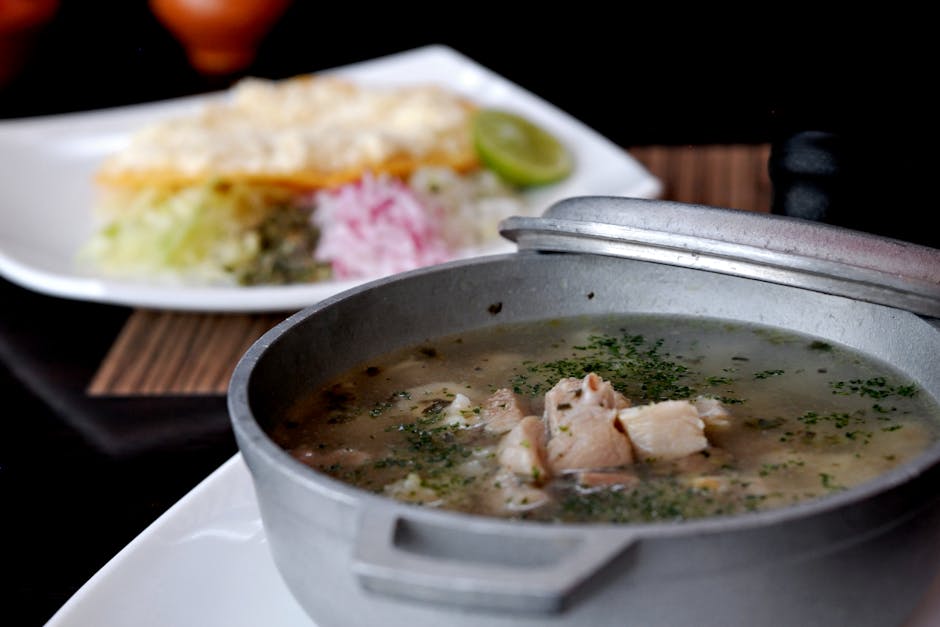
    4. Pozole: A traditional soup made with hominy, meat (usually pork), and garnished with lettuce, radishes, onions, and lime.

    5. Ceviche: Fresh seafood marinated in lime juice, mixed with tomatoes, onions, cilantro, and chili peppers for a refreshing appetizer.

    6. Tamales: Corn dough filled with meats, cheeses, or vegetables, wrapped in corn husks and steamed to perfection.

    7. Quesadillas: Tortillas filled with cheese and other ingredients like mushrooms, chicken, or squash blossoms, then grilled until crispy.

    8. Elote: Grilled corn on the cob slathered with mayonnaise, cheese, chili powder, and lime juice for a flavorful street snack.

    9. Churros: Fried dough pastries coated in cinnamon sugar, often served with chocolate dipping sauce for a sweet treat.

    10. Horchata: A refreshing rice-based drink flavored with cinnamon and sweetened with sugar, perfect for cooling down on a hot day.

    Conclusion

    Mexican cuisine is a celebration of bold flavors and diverse ingredients that offer something for every palate. These must-try dishes showcase the richness of Mexican culinary traditions that are sure to delight food enthusiasts around the world.

    Meta Description: Explore the must-try dishes of Mexican cuisine, including Tacos al Pastor, Chiles en Nogada, Mole Poblano, Pozole, and more.

    Keywords: Mexican cuisine, must-try Mexican dishes, Tacos al Pastor, Mole Poblano, traditional Mexican food

  • Exploring Italian Cuisine: Top 10 Traditional Dishes You Must Try

    Exploring Italian Cuisine: Top 10 Traditional Dishes You Must Try

    Italian cuisine is renowned worldwide for its rich flavors, fresh ingredients, and diverse regional specialties. From hearty pasta dishes to delectable desserts, Italian food offers something for every palate. In this article, we explore the top 10 traditional Italian dishes that you must try.

    1. Spaghetti Carbonara: A classic Roman dish made with eggs, cheese, pancetta, and black pepper, creating a creamy and flavorful pasta experience.

    2. Margherita Pizza: Originating from Naples, this simple yet delicious pizza features fresh tomatoes, mozzarella cheese, basil, and olive oil.

    3. Lasagna: Layers of pasta, meat sauce, béchamel sauce, and cheese baked to perfection make lasagna a comforting favorite.

    4. Risotto alla Milanese: A creamy rice dish cooked with saffron, giving it a distinctive golden color and rich flavor.

    5. Osso Buco: Braised veal shanks cooked with vegetables, white wine, and broth, often served with gremolata for added zest.

    6. Tiramisu: A popular dessert made with layers of coffee-soaked ladyfingers, mascarpone cheese, cocoa powder, and a hint of liqueur.

    7. Pesto alla Genovese: A vibrant sauce made from fresh basil, garlic, pine nuts, Parmesan cheese, and olive oil, typically served with pasta.

    8. Arancini: Fried rice balls stuffed with ragù, mozzarella, and peas, offering a crispy exterior and savory filling.

    9. Focaccia: A flatbread topped with olive oil, herbs, and sometimes vegetables or cheese, perfect as a snack or side dish.

    10. Gelato: Italy’s version of ice cream, known for its dense texture and intense flavors made from fresh ingredients.

    Conclusion

    Exploring traditional Italian cuisine is a delightful journey through rich flavors and culinary artistry. These top 10 dishes showcase the diversity and excellence of Italian food culture that every food lover should experience.

    Meta Description: Discover the top 10 traditional Italian dishes you must try, including Spaghetti Carbonara, Margherita Pizza, Lasagna, Risotto alla Milanese, and more.

    Keywords: traditional Italian dishes, Italian cuisine, top Italian foods, Spaghetti Carbonara, Margherita Pizza

  • Mastering Composition: 10 Tips for Stunning Photographs

    Mastering Composition: 10 Tips for Stunning Photographs

    Composition is a fundamental aspect of photography that can significantly impact the visual appeal of your images. Mastering composition techniques can help you create stunning photographs that captivate viewers. Here are 10 tips to enhance your composition skills:

    1. Rule of Thirds: Divide your frame into a 3×3 grid and place key elements along the grid lines or at their intersections to create balanced and engaging compositions.

    2. Leading Lines: Use natural lines in the scene, such as roads, rivers, or fences, to guide the viewer’s eye toward the main subject.

    3. Framing: Incorporate elements in the foreground to frame your subject, adding depth and context to the image.

    4. Symmetry and Patterns: Look for symmetrical scenes or repeating patterns that can create visually striking compositions.

    5. Negative Space: Utilize empty space around your subject to emphasize it and create a sense of simplicity and elegance.

    6. Perspective and Angles: Experiment with different perspectives and angles to add interest and uniqueness to your photographs.

    7. Depth of Field: Use a shallow depth of field to isolate your subject from the background, or a deep depth of field to keep everything in focus for landscape shots.

    8. Color Contrast: Incorporate contrasting colors to make your subject stand out and create visual interest.

    9. Balance Elements: Ensure that the elements in your composition are balanced, avoiding overcrowding or empty areas that detract from the overall image.

    10. Tell a Story: Aim to convey a story or emotion through your composition, engaging viewers on a deeper level.

    Conclusion

    By applying these composition tips, photographers can elevate their skills and create stunning photographs that leave a lasting impression. Practice regularly and experiment with different techniques to find your unique style.

    Meta Description: Discover 10 essential tips for mastering composition in photography, including the rule of thirds, leading lines, framing, symmetry, and more for stunning photographs.

    Keywords: photography composition tips, mastering composition, stunning photographs, rule of thirds, leading lines in photography

  • Understanding ISO Settings in Photography: A Comprehensive Guide

    Understanding ISO Settings in Photography: A Comprehensive Guide

    ISO settings play a crucial role in photography, affecting the exposure and quality of your images. Understanding how to adjust ISO can help you capture better photos in various lighting conditions. This comprehensive guide explores the concept of ISO and provides tips for using it effectively.

    What is ISO?

    ISO refers to the sensitivity of your camera’s sensor to light. A lower ISO value (e.g., 100 or 200) means less sensitivity, resulting in cleaner images with less noise. Conversely, a higher ISO value (e.g., 800, 1600, or higher) increases sensitivity, allowing for better performance in low-light situations but may introduce more noise.

    When to Use Different ISO Settings

    • Low ISO (100-400): Ideal for bright outdoor conditions, landscapes, and portraits where image quality is a priority.
    • Medium ISO (400-800): Suitable for indoor photography with moderate lighting or overcast outdoor conditions.
    • High ISO (800 and above): Best for low-light situations, such as night photography or indoor events, where capturing the moment is more important than image quality.

    Tips for Using ISO Effectively

    1. Start with the Lowest ISO: Always begin with the lowest ISO setting and increase it only when necessary to avoid unnecessary noise.
    2. Use a Tripod: In low-light conditions, using a tripod allows you to keep the ISO low while using slower shutter speeds.
    3. Balance with Aperture and Shutter Speed: Adjust aperture and shutter speed in conjunction with ISO to achieve the desired exposure without compromising image quality.
    4. Post-Processing: If you must use high ISO, consider using noise reduction techniques in post-processing software to improve image quality.

    Conclusion

    Mastering ISO settings is essential for photographers looking to enhance their skills and capture high-quality images in various lighting conditions. By understanding how to adjust ISO effectively, you can take control of your photography and achieve better results.

    Meta Description: Learn about ISO settings in photography with this comprehensive guide, including when to use different ISO values and tips for effective usage.

    Keywords: ISO settings photography, understanding ISO, low light photography tips, camera sensitivity, photography exposure

  • Essential Photography Accessories for Every Photographer

    Essential Photography Accessories for Every Photographer

    In addition to a quality camera, having the right photography accessories can significantly enhance your shooting experience and improve the quality of your images. Here are some essential photography accessories that every photographer should consider:

    1. Tripod: A sturdy tripod is crucial for stabilizing your camera during long exposures, landscape shots, and low-light conditions.

    2. Camera Bag: A well-designed camera bag protects your gear and provides easy access to your equipment while on the go.

    3. Extra Batteries and Memory Cards: Always carry spare batteries and memory cards to ensure you don’t miss any important shots due to power or storage limitations.

    4. Lens Filters: Filters such as UV, polarizing, and ND filters can enhance image quality by reducing glare, improving color saturation, and allowing for longer exposures.

    5. Remote Shutter Release: This accessory allows you to take photos without physically touching the camera, reducing the risk of camera shake during long exposures.

    6. Cleaning Kit: Keeping your lenses and camera sensor clean is essential for maintaining image quality. A cleaning kit typically includes microfiber cloths, lens cleaning solution, and a blower brush.

    7. Reflectors and Diffusers: These tools help control lighting by reflecting or diffusing light, making them invaluable for portrait and macro photography.

    Conclusion

    Investing in essential photography accessories can greatly enhance your photography skills and the quality of your images. By equipping yourself with the right tools, you can take your photography to the next level.

    Meta Description: Explore essential photography accessories for every photographer, including tripods, camera bags, extra batteries, lens filters, remote shutter releases, cleaning kits, and lighting tools.

    Keywords: photography accessories, essential camera gear, tripod for photographers, lens filters, remote shutter release

  • Top 5 DSLR Cameras for Professional Photography in 2024

    Top 5 DSLR Cameras for Professional Photography in 2024

    Choosing the right DSLR camera is crucial for professional photographers looking to capture high-quality images. In 2024, several models stand out for their performance, features, and value. Here are the top 5 DSLR cameras for professional photography this year:

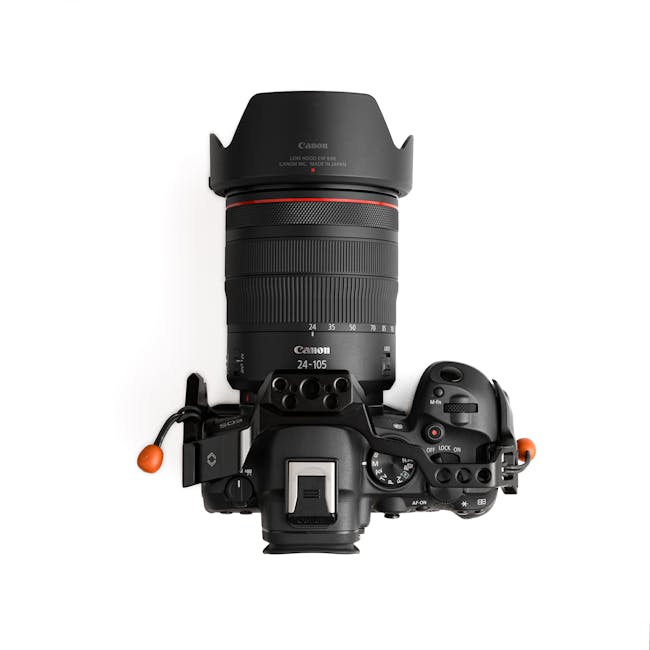
    1. Canon EOS-1D X Mark III: Known for its exceptional image quality and fast performance, this camera is ideal for sports and wildlife photography.

    2. Nikon D6: With its robust build and advanced autofocus system, the Nikon D6 is perfect for professionals who need reliability in challenging conditions.

    3. Sony Alpha a99 II: This camera offers a full-frame sensor and impressive low-light capabilities, making it a versatile choice for various photography styles.

    4. Pentax K-1 Mark II: Featuring a rugged design and high-resolution sensor, the Pentax K-1 Mark II is great for landscape and outdoor photography.

    5. Canon EOS 5D Mark IV: A favorite among wedding and portrait photographers, this camera combines excellent image quality with user-friendly features.

    Conclusion

    Selecting the right DSLR camera depends on your specific photography needs and preferences. The models listed above represent some of the best options available in 2024, each offering unique features to enhance your professional photography experience.

    Meta Description: Discover the top 5 DSLR cameras for professional photography in 2024, including Canon EOS-1D X Mark III, Nikon D6, Sony Alpha a99 II, Pentax K-1 Mark II, and Canon EOS 5D Mark IV.

    Keywords: best DSLR cameras 2024, professional photography cameras, Canon EOS-1D X Mark III, Nikon D6 review, Sony Alpha a99 II

  • Mental Wellness Practices for Aging Gracefully

    Mental Wellness Practices for Aging Gracefully

    Maintaining mental wellness is a crucial aspect of aging gracefully. As we age, we may face various challenges that can impact our emotional and cognitive health. However, adopting mental wellness practices can help enhance quality of life and promote overall well-being. This article explores effective strategies for maintaining mental wellness in later years.

    Stay Socially Connected

    Engaging in social activities and maintaining relationships with family and friends can help combat loneliness and improve mental health. Join clubs, volunteer, or participate in community events to stay connected.

    Practice Mindfulness and Meditation

    Mindfulness techniques and meditation can reduce stress, enhance emotional regulation, and improve cognitive function. Set aside time each day for mindfulness practices to promote mental clarity and relaxation.

    Engage in Lifelong Learning

    Continuously challenging the brain through learning new skills, hobbies, or subjects can help maintain cognitive function and prevent cognitive decline. Consider taking classes, reading, or exploring new interests.

    Physical Activity

    Regular exercise not only benefits physical health but also has positive effects on mental well-being. Activities like walking, yoga, or tai chi can boost mood and reduce symptoms of anxiety and depression.

    Seek Professional Support

    If experiencing persistent feelings of sadness, anxiety, or cognitive difficulties, consider seeking support from a mental health professional. Therapy or counseling can provide valuable tools for managing mental health challenges.

    Conclusion

    Incorporating mental wellness practices into daily life is essential for aging gracefully. By staying socially connected, practicing mindfulness, engaging in lifelong learning, maintaining physical activity, and seeking professional support when needed, individuals can enhance their mental well-being as they age.

    Meta Description: Discover mental wellness practices for aging gracefully, including social connection, mindfulness, lifelong learning, physical activity, and professional support.

    Keywords: mental wellness aging, mindfulness for seniors, lifelong learning benefits, social connection aging, mental health support

  • Nutrition Strategies for Healthy Aging

    Nutrition Strategies for Healthy Aging

    Proper nutrition is a cornerstone of healthy aging, as it provides the essential nutrients needed to maintain bodily functions and prevent chronic diseases. As we age, our nutritional needs change, making it important to adopt strategies that support overall health and well-being. This article outlines key nutrition strategies for healthy aging.

    Focus on Nutrient-Dense Foods

    Choose foods that are rich in vitamins, minerals, and antioxidants, such as fruits, vegetables, whole grains, lean proteins, and healthy fats. These foods help combat inflammation and support immune function.

    Adequate Protein Intake

    Protein is vital for maintaining muscle mass and strength as we age. Include sources of lean protein like poultry, fish, beans, and legumes in your diet to support muscle health.

    Stay Hydrated

    Older adults are more susceptible to dehydration, so it’s important to drink plenty of water throughout the day. Aim for at least 8 cups of water daily, and adjust based on activity level and climate.

    Limit Processed Foods

    Reduce the intake of processed foods high in added sugars, unhealthy fats, and sodium. These foods can contribute to chronic conditions such as heart disease and diabetes.

    Monitor Vitamin and Mineral Intake

    Ensure adequate intake of key nutrients like calcium, vitamin D, vitamin B12, and fiber. Consider supplements if necessary, but consult with a healthcare provider first.

    Conclusion

    Adopting effective nutrition strategies is essential for healthy aging. By focusing on nutrient-dense foods, adequate protein intake, hydration, and limiting processed foods, individuals can enhance their health and quality of life as they age.

    Meta Description: Explore nutrition strategies for healthy aging, including focusing on nutrient-dense foods, adequate protein intake, hydration, and limiting processed foods.

    Keywords: nutrition for healthy aging, healthy eating tips, protein intake for seniors, hydration in aging, nutrient-dense foods