Category: Uncategorized

  • Keto Diet and Exercise: How to Maximize Your Results

    Keto Diet and Exercise: How to Maximize Your Results

    Combining the ketogenic diet with regular exercise can enhance your health and fitness results. Here’s how to optimize your workouts while following a keto lifestyle:

    1. Choose the Right Type of Exercise: Focus on a mix of strength training and low-intensity cardio to build muscle and improve endurance without depleting glycogen stores.

    2. Adjust Workout Intensity: During the initial phase of the keto diet, you may experience reduced energy levels. Opt for moderate-intensity workouts until your body adapts to using fat for fuel.

    3. Stay Hydrated: Proper hydration is crucial, especially when exercising on a keto diet. Drink plenty of water before, during, and after workouts to prevent dehydration.

    4. Fuel Your Workouts: Consider consuming a small amount of MCT oil or a keto-friendly snack before exercise to provide quick energy without kicking you out of ketosis.

    5. Post-Workout Nutrition: After exercising, replenish your body with a meal rich in healthy fats and moderate protein to support recovery and muscle growth.

    6. Listen to Your Body: Pay attention to how your body responds to exercise on the keto diet. Adjust your routine as needed to avoid overtraining and ensure adequate recovery.

    Conclusion

    By integrating exercise with your keto diet, you can maximize your health benefits and achieve your fitness goals more effectively. Focus on balanced workouts, proper nutrition, and hydration for optimal results.

    Meta Description: Discover how to combine the keto diet with exercise to maximize results, including workout types, hydration tips, and post-workout nutrition.

    Keywords: keto diet and exercise, ketogenic fitness tips, keto workout guide, maximizing keto results


  • Getting Started with the Keto Diet: A Beginner’s Guide

    Getting Started with the Keto Diet: A Beginner’s Guide

    The ketogenic (keto) diet has gained popularity for its potential benefits in weight loss and overall health. If you’re new to the keto lifestyle, this beginner’s guide will help you get started on the right foot.

    What is the Keto Diet?

    The keto diet is a low-carb, high-fat diet that aims to shift your body’s metabolism into a state of ketosis. In ketosis, your body burns fat for fuel instead of carbohydrates, which can lead to weight loss and improved energy levels.

    Key Principles of the Keto Diet

    1. Reduce Carbohydrate Intake: Limit your daily carb intake to around 20-50 grams. Focus on consuming non-starchy vegetables, nuts, and seeds.

    2. Increase Healthy Fats: Make healthy fats the primary source of your calories. Include foods like avocados, olive oil, coconut oil, and fatty fish in your diet.

    3. Moderate Protein Consumption: Consume moderate amounts of protein from sources like meat, poultry, eggs, and dairy. Avoid excessive protein intake, as it can be converted into glucose and hinder ketosis.

    4. Stay Hydrated: Drink plenty of water to stay hydrated and support your body’s metabolic processes.

    5. Monitor Electrolytes: Since the keto diet can lead to electrolyte imbalances, ensure you get enough sodium, potassium, and magnesium through food or supplements.

    Sample Keto Meal Plan

    • Breakfast: Scrambled eggs with spinach and avocado.
    • Lunch: Grilled chicken salad with olive oil dressing.
    • Dinner: Baked salmon with asparagus and a side of cauliflower rice.
    • Snacks: Nuts, cheese, or keto-friendly fat bombs.

    Conclusion

    Starting the keto diet can be a transformative experience for your health and well-being. By following these guidelines and focusing on whole, nutrient-dense foods, you can successfully transition into ketosis and enjoy the benefits of this lifestyle.

    Meta Description: Learn how to get started with the keto diet with this beginner’s guide, including key principles, meal planning tips, and sample meals.

    Keywords: keto diet beginner’s guide, starting keto diet, ketogenic diet tips, keto meal plan

  • 5 Must-Have Accessories for Every Woman’s Wardrobe

    5 Must-Have Accessories for Every Woman’s Wardrobe

    Accessories can elevate any outfit and express your personal style. Here are five must-have accessories that every woman should have in her wardrobe:

    1. Statement Necklace: A bold statement necklace can transform a simple outfit into a chic ensemble. Choose one that reflects your personality and complements your wardrobe.

    2. Classic Handbag: Invest in a timeless handbag that can be paired with various outfits. A neutral color like black, beige, or brown is versatile and stylish.

    3. Sunglasses: A pair of stylish sunglasses not only protects your eyes from the sun but also adds a touch of glamour to your look. Opt for frames that suit your face shape.

    4. Scarf: A lightweight scarf can add color and texture to your outfit. It’s also functional for cooler weather and can be styled in multiple ways.

    5. Watch: A classic watch is both practical and fashionable. Choose a design that suits your style, whether it’s sleek and modern or vintage-inspired.

    Conclusion

    Incorporating these five accessories into your wardrobe can enhance your outfits and showcase your unique style. Focus on quality pieces that you love and that complement your existing clothing.

    Meta Description: Explore five must-have accessories for every woman’s wardrobe, including statement necklaces, classic handbags, sunglasses, scarves, and watches.

    Keywords: women accessories, wardrobe essentials for women

  • The Importance of Sunscreen in Daily Skincare

    The Importance of Sunscreen in Daily Skincare

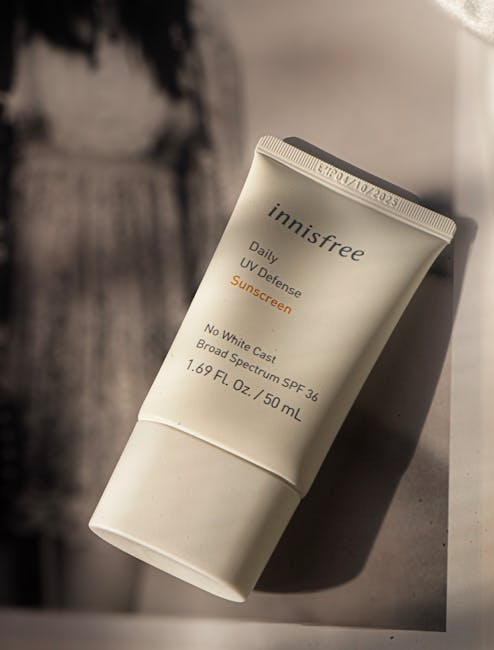
    Sunscreen is a vital component of any skincare routine, yet many people underestimate its importance. Daily use of sunscreen not only protects the skin from harmful UV rays but also helps prevent premature aging and skin cancer. In this article, we’ll discuss why sunscreen is essential and how to choose the right one for your skin.

    Why is Sunscreen Important?

    1. Protection from UV Rays: Sunscreen shields the skin from UVA and UVB rays, which can cause sunburn, DNA damage, and increase the risk of skin cancer.

    2. Prevents Premature Aging: Prolonged sun exposure leads to photoaging, characterized by wrinkles, fine lines, and age spots. Regular use of sunscreen helps maintain youthful skin by preventing these signs of aging.

    3. Reduces Risk of Skin Cancer: Consistent application of sunscreen significantly lowers the risk of developing skin cancers, including melanoma, which can be life-threatening.

    4. Maintains Even Skin Tone: Sunscreen helps prevent hyperpigmentation and dark spots caused by sun exposure, promoting a more even complexion.

    How to Choose the Right Sunscreen

    • Look for broad-spectrum protection that guards against both UVA and UVB rays.
    • Choose a sunscreen with an SPF of at least 30 for daily use.
    • Consider your skin type when selecting a formula (e.g., gel-based for oily skin, cream-based for dry skin).
    • Opt for water-resistant sunscreens if you plan to swim or sweat.

    Application Tips

    • Apply sunscreen generously to all exposed skin at least 15 minutes before sun exposure.
    • Reapply every two hours, or more frequently if swimming or sweating.
    • Don’t forget often-missed areas like ears, back of the neck, and tops of feet.

    Conclusion

    Incorporating sunscreen into your daily skincare routine is crucial for protecting your skin from harmful UV rays and maintaining its health and appearance. Choose the right sunscreen for your skin type and apply it consistently to enjoy its full benefits.

    Meta Description: Learn about the importance of sunscreen in daily skincare, its benefits for UV protection, anti-aging, skin cancer prevention, and tips for choosing the right product.

    Keywords: importance of sunscreen, daily sunscreen use, UV protection, anti-aging skincare, skin cancer prevention

  • Beginner’s Guide to Woodworking: Essential Tools and Techniques

    Beginner’s Guide to Woodworking: Essential Tools and Techniques

    Woodworking is a rewarding hobby that allows you to create beautiful and functional items from wood. If you’re a beginner, here’s a guide to help you get started with essential tools and techniques:

    Essential Tools for Beginners

    1. Measuring Tape: Accurate measurements are crucial in woodworking. A good measuring tape will help you ensure precision in your cuts.

    2. Square: A carpenter’s square is essential for marking right angles and ensuring your cuts are straight.

    3. Hand Saw: A basic hand saw is perfect for making simple cuts in wood. As you progress, you may want to invest in a power saw.

    4. Chisels: A set of chisels will allow you to carve and shape wood with precision.

    5. Clamps: Clamps are necessary for holding pieces of wood together while glue dries or while you work on them.

    6. Workbench: A sturdy workbench provides a stable surface for your projects and helps keep your tools organized.

    Basic Techniques

    1. Measuring and Marking: Always measure twice and cut once. Use a pencil to mark your measurements clearly on the wood.

    2. Cutting: Use smooth, even strokes when cutting with a hand saw. For power saws, follow safety guidelines and maintain control of the tool.

    3. Sanding: Sanding smooths out rough edges and prepares the wood for finishing. Start with coarse-grit sandpaper and progress to finer grits.

    4. Joining: Learn basic joinery techniques such as butt joints, lap joints, and dovetail joints to connect pieces of wood securely.

    5. Finishing: Apply stains, paints, or sealants to protect your wood projects and enhance their appearance.

    Conclusion

    Starting with the right tools and mastering basic techniques will set you on the path to becoming a skilled woodworker. Practice regularly, be patient, and enjoy the creative process of woodworking!

    Meta Description: Discover essential tools and techniques for beginner woodworkers, including measuring, cutting, sanding, joining, and finishing tips.

    Keywords: beginner woodworking guide, essential woodworking tools, woodworking techniques, DIY woodworking, woodworking for beginners

  • How to Read and Follow a Recipe: A Beginner’s Guide

    How to Read and Follow a Recipe: A Beginner’s Guide

    Reading and following a recipe can be daunting for beginner cooks, but with practice, it becomes easier. Here’s a step-by-step guide to help you navigate recipes successfully:

    Step 1: Read the Entire Recipe

    Before you start cooking, read through the entire recipe to understand the ingredients, steps, and cooking times involved.

    Step 2: Gather Ingredients and Tools

    Make sure you have all the necessary ingredients and kitchen tools ready before you begin cooking. This will help streamline the process.

    Step 3: Understand Cooking Terms

    Familiarize yourself with common cooking terms used in recipes, such as sauté, simmer, and fold, to ensure you know what each step entails.

    Step 4: Follow the Steps in Order

    Recipes are typically written in a specific order for a reason. Follow each step sequentially to achieve the best results.

    Step 5: Measure Ingredients Accurately

    Use measuring cups and spoons to ensure you add the correct amounts of each ingredient as specified in the recipe.

    Step 6: Adjust for Personal Preferences

    Feel free to make adjustments based on your taste preferences or dietary needs, such as reducing salt or substituting ingredients.

    Step 7: Keep an Eye on Cooking Times

    Pay attention to cooking times and use timers to avoid overcooking or undercooking your food.

    Step 8: Taste as You Go

    Taste your dish at various stages of cooking to adjust seasoning and ensure the flavors are developing as desired.

    Conclusion

    By following these steps, beginner cooks can confidently read and follow recipes, leading to successful and delicious meals. Practice makes perfect, so keep experimenting in the kitchen!

    Meta Description: Learn how to read and follow a recipe with this beginner’s guide, including tips on gathering ingredients, understanding cooking terms, and measuring accurately.

    Keywords: reading recipes for beginners, following cooking instructions, beginner cooking guide, recipe navigation tips, cooking for new cooks

  • Healthy Eating Tips for Beginner Cooks

    Healthy Eating Tips for Beginner Cooks

    Adopting healthy eating habits is important for overall well-being, and beginner cooks can take simple steps to prepare nutritious meals. Here are some healthy eating tips to get you started:

    1. Incorporate More Vegetables: Aim to fill half your plate with vegetables at each meal. Experiment with different cooking methods like roasting, steaming, or sautéing.

    2. Choose Whole Grains: Opt for whole grain options like brown rice, quinoa, and whole wheat bread instead of refined grains for added fiber and nutrients.

    3. Lean Proteins: Include lean protein sources such as chicken, fish, beans, and tofu in your meals to support muscle health and keep you full longer.

    4. Limit Processed Foods: Minimize the consumption of processed foods that are high in added sugars, unhealthy fats, and sodium.

    5. Healthy Fats: Use healthy fats like olive oil, avocado, and nuts in moderation to support heart health.

    6. Portion Control: Be mindful of portion sizes to avoid overeating. Use smaller plates and bowls to help control portions.

    7. Stay Hydrated: Drink plenty of water throughout the day to stay hydrated and support overall health.

    8. Plan Balanced Meals: Aim for a balance of carbohydrates, proteins, and fats in each meal to provide sustained energy.

    9. Cook at Home: Preparing meals at home allows you to control ingredients and make healthier choices compared to eating out.

    10. Experiment with Herbs and Spices: Use herbs and spices to add flavor to your dishes without relying on excessive salt or sugar.

    Conclusion

    By following these healthy eating tips, beginner cooks can create nutritious meals that support a balanced diet and promote overall health. Enjoy the process of cooking and discovering new flavors!

    Meta Description: Discover healthy eating tips for beginner cooks, including incorporating vegetables, choosing whole grains, lean proteins, portion control, and more.

    Keywords: healthy eating tips, beginner cooking nutrition, nutritious meal ideas, balanced diet for beginners, cooking healthy meals

  • Understanding Cooking Terminology: A Beginner’s Guide

    Understanding Cooking Terminology: A Beginner’s Guide

    Cooking terminology can be confusing for beginner cooks. Here’s a guide to help you understand some common cooking terms you may encounter in recipes:

    1. Sauté: To cook food quickly in a small amount of oil or fat over medium-high heat.

    2. Simmer: To cook food gently in liquid at a temperature just below boiling, where small bubbles form on the surface.

    3. Boil: To cook food in liquid at a high temperature where large bubbles continuously rise to the surface.

    4. Bake: To cook food using dry heat in an oven, typically for bread, pastries, and casseroles.

    5. Roast: To cook food, usually meat or vegetables, in an oven using dry heat, often at higher temperatures than baking.

    6. Chop: To cut food into small, irregular pieces using a knife.

    7. Dice: To cut food into small, uniform cubes.

    8. Julienne: To cut food into thin, matchstick-like strips.

    9. Fold: A gentle mixing technique used to combine ingredients without deflating them, often used in baking.

    10. Marinate: To soak food in a seasoned liquid for a period of time to enhance flavor and tenderness.

    Conclusion

    Familiarizing yourself with these cooking terms will help you follow recipes more easily and improve your cooking skills as a beginner. Don’t hesitate to look up unfamiliar terms as you continue your culinary journey!

    Meta Description: Learn common cooking terminology with this beginner’s guide, including sauté, simmer, bake, chop, dice, and more to enhance your cooking skills.

    Keywords: cooking terminology guide, beginner cooking terms, understanding cooking language, culinary vocabulary, cooking skills improvement

  • 10 Common Cooking Mistakes and How to Avoid Them

    10 Common Cooking Mistakes and How to Avoid Them

    Cooking can be a learning experience, and even beginner cooks make mistakes. Here are 10 common cooking mistakes and tips on how to avoid them:

    1. Not Reading the Recipe Fully: Always read the entire recipe before starting to ensure you understand the steps and ingredients needed.

    2. Using Dull Knives: A sharp knife is safer and more efficient. Regularly sharpen your knives to make cutting easier.

    3. Overcrowding the Pan: Give your ingredients enough space to cook evenly. Overcrowding can lead to steaming instead of searing.

    4. Not Preheating the Oven: Always preheat your oven to the correct temperature before baking to ensure even cooking.

    5. Using the Wrong Cooking Oil: Different oils have different smoke points. Use oils suitable for high-heat cooking, like avocado or canola oil, for frying.

    6. Ignoring Seasoning: Taste your food as you cook and adjust seasoning accordingly. Don’t be afraid to add salt, herbs, or spices.

    7. Overcooking or Undercooking: Use a timer and check for doneness with a meat thermometer or by testing texture to avoid overcooking or undercooking.

    8. Not Letting Meat Rest: Allow cooked meat to rest before slicing to retain juices and improve flavor.

    9. Using Cold Ingredients: Bring ingredients like eggs and butter to room temperature before cooking for better texture and consistency.

    10. Neglecting Clean-Up: Clean as you go to keep your workspace organized and reduce stress after cooking.

    Conclusion

    By being aware of these common cooking mistakes and following the tips provided, beginner cooks can improve their skills and enjoy a more successful cooking experience. Happy cooking!

    Meta Description: Discover 10 common cooking mistakes made by beginners and learn how to avoid them with practical tips for a better cooking experience.

    Keywords: common cooking mistakes, beginner cooking tips, cooking errors to avoid, improving cooking skills, kitchen mistakes

  • How to Develop Your Unique Drawing Style

    How to Develop Your Unique Drawing Style

    Developing a unique drawing style is an important step for artists looking to express their individuality. Here are some tips to help you cultivate your own artistic style:

    1. Experiment with Different Mediums: Try various drawing tools such as pencils, ink, charcoal, and digital platforms to discover what resonates with you.

    2. Study Other Artists: Analyze the work of artists you admire to understand their techniques and styles, then incorporate elements that inspire you into your own work.

    3. Practice Regularly: Consistent practice allows you to refine your skills and explore different approaches to drawing.

    4. Embrace Mistakes: Don’t be afraid to make mistakes; they can lead to unexpected discoveries and help you develop a distinctive style.

    5. Focus on Themes: Identify themes or subjects that you are passionate about and incorporate them into your drawings to create a cohesive body of work.

    6. Seek Feedback: Share your work with others and listen to their perspectives. Constructive criticism can provide valuable insights for growth.

    7. Reflect on Your Work: Regularly review your drawings to identify patterns, strengths, and areas for improvement that contribute to your unique style.

    8. Stay Authentic: Stay true to your vision and avoid trying to mimic others too closely. Authenticity is key to developing a style that reflects who you are as an artist.

    Conclusion

    By following these tips and embracing your creative journey, you can develop a unique drawing style that sets you apart as an artist. Remember, your style will evolve over time, so continue exploring and experimenting!

    Meta Description: Learn how to develop your unique drawing style with tips on experimenting with mediums, studying other artists, practicing regularly, and staying authentic.

    Keywords: developing unique drawing style, artistic individuality, drawing style tips, cultivating art style, personal art expression